


The Mind-Muscle Connection: Unleashing Your Potential
The Concept of Mind-Muscle Connection
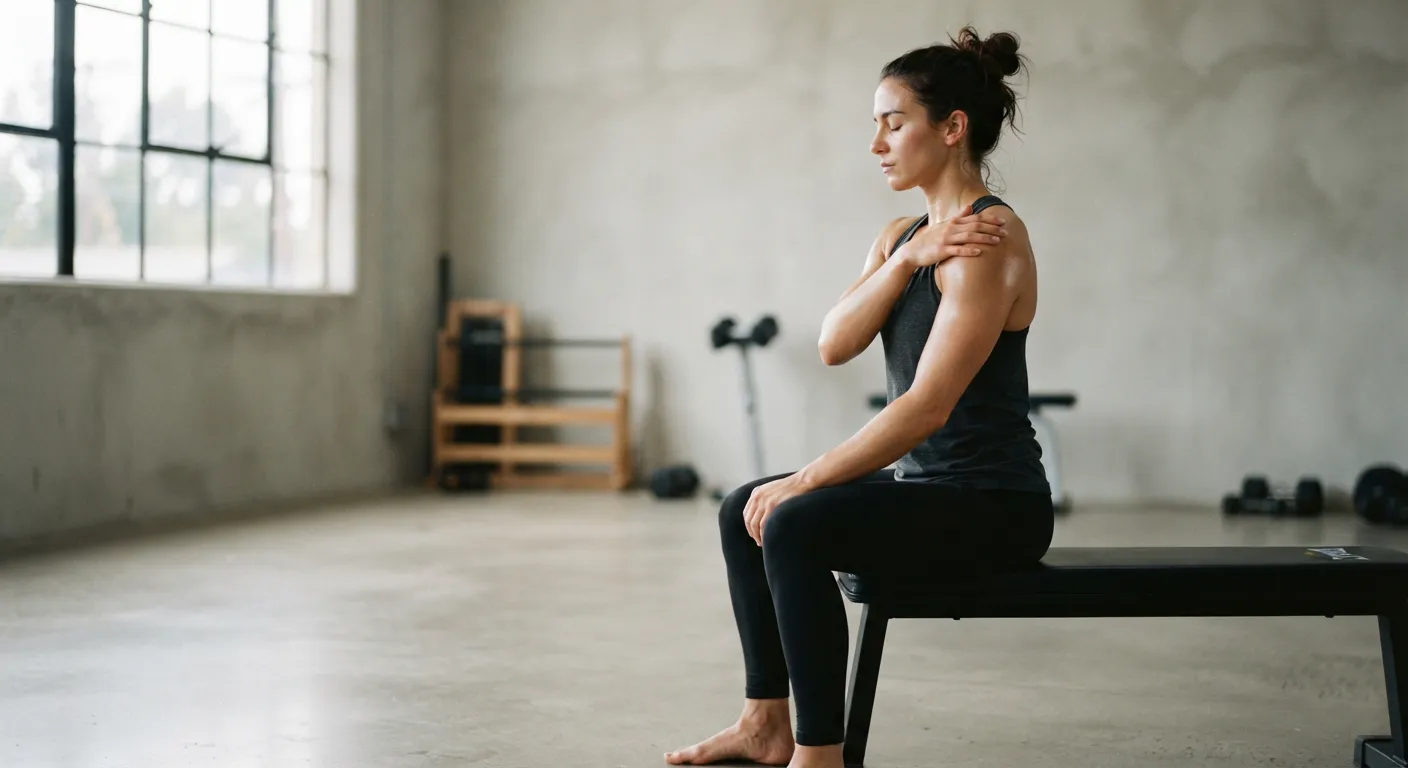
The mind-muscle connection refers to the conscious focus and awareness we bring to our muscles during exercise. This technique allows us to enhance our workouts by improving the effectiveness of each movement. When we engage in physical activity, establishing this connection can promote a greater level of muscle engagement, ultimately leading to better results. By concentrating on the specific muscles being worked, we can optimize our form and execution, blending physical movement with mental clarity.
Benefits of Mind-Muscle Connection in Modern Fitness Regimes
Incorporating the mind-muscle connection into our training can yield numerous advantages within our fitness routines. The table below outlines some key benefits and their effects on our overall fitness experience.
| Benefit | Effect on Workouts |
|---|---|
| Increased muscle activation | Greater hypertrophy and strength gains |
| Improved exercise technique | Reduced risk of injury |
| Enhanced mental focus | Higher mental endurance during workouts |
| Boosted motivation and engagement | Increased consistency and adherence to routines |
| Accelerated recovery from workouts | Better circulation and nutrient delivery |
These benefits can significantly support various modern fitness techniques, including strength training, aerobics, and HIIT. By prioritizing the mind-muscle connection, we can improve our overall performance and achieve our fitness goals more efficiently. Additionally, integrating this technique with practices such as flexibility and balance can further enhance our physical capabilities, promoting a well-rounded approach to fitness.
Techniques to Enhance Mind-Muscle Connection
To fully harness the mind-muscle connection, we can employ various techniques that enhance our awareness and control during workouts. Two effective methods are practicing mindful movement and incorporating visualization and focus techniques.
Mindful Movement and Exercise
Mindful movement involves being fully present during our workouts, paying close attention to how each motion feels in our body. This practice helps connect our mind to our muscles, enhancing our ability to perform exercises with precision and effectiveness.
Here are some tips for practicing mindful movement:
| Tip | Description |
|---|---|
| Slow It Down | Performing exercises slowly allows us to focus on our form and how our muscles engage. |
| Breathe Deeply | Coordinating breath with movement can increase awareness and foster relaxation. |
| Limit Distractions | Turning off devices and finding a quiet space can help us stay focused on our workout. |
Incorporating these techniques into routines such as strength training, aerobics, and HIIT can elevate our experience and results.
Visualization and Focus Techniques
Visualization involves picturing the muscles we are targeting during an exercise. By mentally envisioning our desired movements, we can reinforce the connection between our mind and muscles.
Here are some effective visualization techniques:
| Technique | How to Apply |
|---|---|
| Image Creation | Before starting an exercise, we can visualize the specific muscles contracting and relaxing throughout the movement. |
| Goal Setting | Writing down specific fitness goals and visualizing ourselves achieving them can enhance motivation. |
| Positive Affirmations | Repeating positive statements about our strength and ability can bolster confidence during workouts. |
Utilizing visualization techniques can complement our practice of flexibility and balance as we enhance our overall fitness journey. By combining mindful movement and focus techniques, we can unlock our full potential and improve our mind-muscle connection. For a deeper understanding, we can explore more about modern fitness regimes and prana.
Implementing Mind-Muscle Connection in Your Workouts
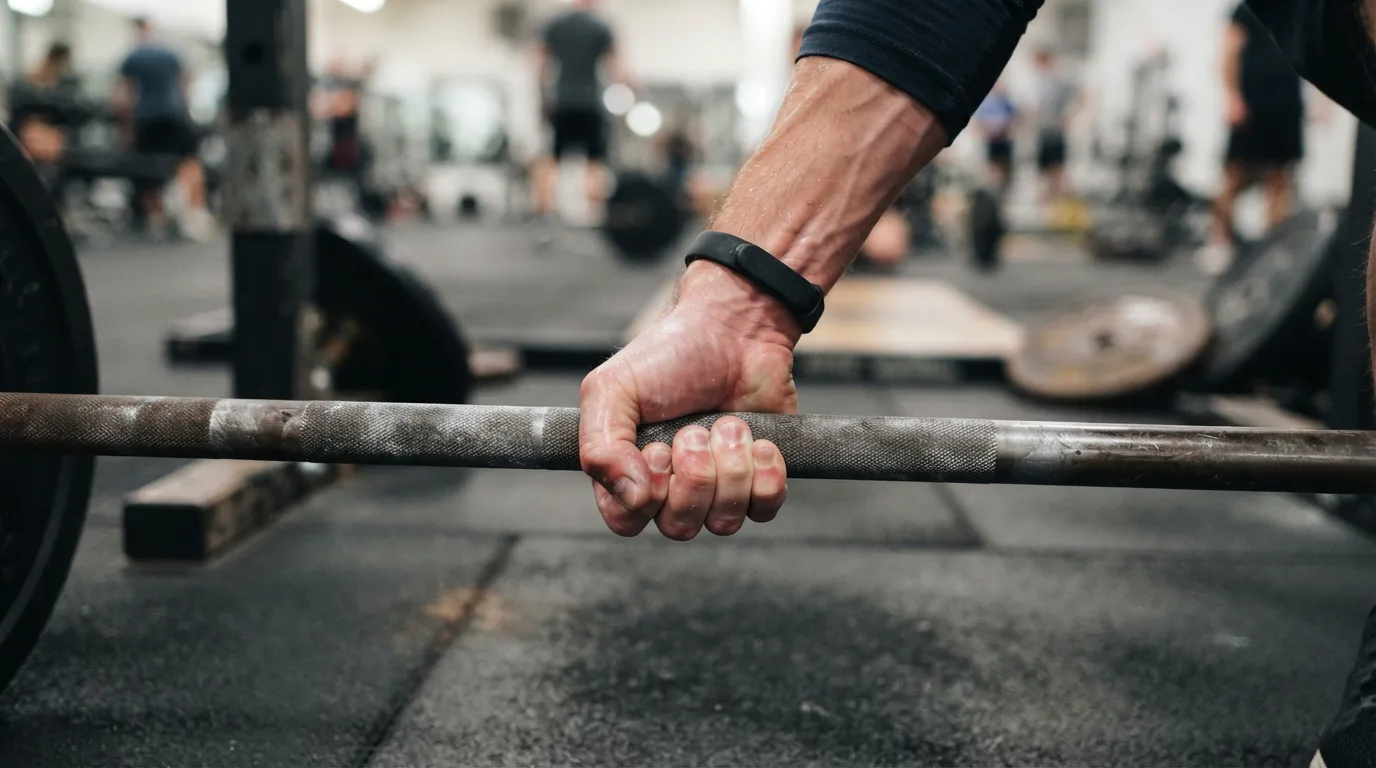
Developing a strong mind-muscle connection can significantly enhance our workout performance and overall fitness experience. We can apply various strategies to establish this connection effectively within our workout routines.
Practical Tips for Establishing Mind-Muscle Connection
To foster a deeper connection between our minds and muscles, we can employ several practical tips during our training sessions:
Slow Down Movement: Slowing down the pace of our exercises allows us to focus on the specific muscles being engaged. This can lead to a better understanding of our body mechanics.
Focus on Form: Prioritizing correct form helps us connect with the targeted muscles more effectively. Striving for perfect technique can make our workouts more impactful.
Engage the Target Muscle: Before performing an exercise, we can take a moment to mentally engage our target muscle. This simple practice primes us for the movement ahead.
Use Light Weights: Starting with lighter weights encourages us to concentrate on the muscle rather than lifting heavier loads. This can help us establish that critical mind-muscle connection.
Incorporate Isometric Holds: Adding brief isometric holds within our movement can amplify focus on muscle engagement and reinforce the connection.
| Tips | Description |
|---|---|
| Slow Down Movement | Focus on each rep by reducing speed. |
| Focus on Form | Maintain proper technique for best results. |
| Engage Target Muscle | Activate the muscle mentally before exercising. |
| Use Light Weights | Prioritize connection over lifting heavy loads. |
| Incorporate Isometric Holds | Pause during movements to strengthen engagement. |
Integrating Mind-Muscle Connection in Various Exercises
We can apply the mind-muscle connection technique to a wide array of exercises across different fitness domains. Here are some ways to integrate this connection:
Strength Training: During compound movements, such as squats or bench presses, we can visualise the specific muscles engaged, such as quads or pectorals. Hyper-focusing on these muscles can improve our performance.
Aerobics: In classes, we can concentrate on the muscles being used, like our glutes while performing lunges. This awareness enhances our benefits during cardio-intensive workouts. Learn more about aerobics in our article on aerobics.
HIIT (High-Intensity Interval Training): In HIIT workouts, we can focus on the muscle groups worked during each interval. This mindfulness can boost our endurance and performance levels. Explore more in our section on hiit.
Flexibility and Balance: When stretching or in balance exercises, we can emphasize the muscles being stretched or engaged. This focus encourages deeper stretches and aids in balance training. Delve deeper in our article on flexibility and balance.
Integrating the mind-muscle connection into our workouts encourages us to be present and aware of our bodies while exercising. By implementing these practical tips and techniques, we can enhance our overall performance and results as we work towards our fitness goals. We will surely find that the mind-muscle connection can profoundly impact our training experience. For strength-focused routines, we can find further insights in our section on strength training.
Maximizing Results with Mind-Muscle Connection
Tracking Progress and Adjustments
To truly benefit from the mind-muscle connection, we must actively track our progress and make necessary adjustments to our training. By monitoring how well we engage specific muscles during our workouts, we can ensure that we are fully utilizing the mind-muscle connection.
A table can be one effective way to record our progress and adjustments:
| Exercise | Initial Engagement (1-10) | Adjusted Engagement (1-10) | Notes |
|---|---|---|---|
| Squats | 5 | 8 | Focused on glutes more |
| Bent-over Rows | 6 | 9 | Emphasized back muscles |
| Leg Raises | 3 | 7 | Concentrated on core |
In this table, we can see how tracking engagement levels before and after adjustments helps in recognizing areas that may need more focus. Discussing our experiences with others can also help us identify new techniques or methods for enhancing our awareness.
Combining Mind-Muscle Connection with Breathing Techniques
Integrating breathing techniques into our workouts can significantly enhance the mind-muscle connection. Breathing properly influences our body’s oxygen flow and contributes to muscle engagement. By coordinating our breath with our movements, we create a rhythm that fosters a deeper connection between our mind and body.
Here are a few effective breathing techniques we can apply:
| Technique | Description | Benefits |
|---|---|---|
| Diaphragmatic Breathing | Deep breathing using the diaphragm | Increases oxygen intake, relaxes muscles |
| 4-7-8 Breathing | Inhale for 4 seconds, hold for 7, exhale for 8 | Promotes relaxation and focuses mind |
| Box Breathing | Inhale for 4, hold for 4, exhale for 4, hold for 4 | Reduces anxiety and enhances concentration |
Combining these breathing techniques with our workouts can amplify our ability to connect with targeted muscles. As we explore different fitness modalities, such as strength training, aerobics, or HIIT, we can find the rhythm that best supports our individual goals. Additionally, focusing on flexibility and balance can also enhance our overall fitness experience.
By consciously incorporating both progress tracking and breathing techniques, we can maximize our results while nurturing the mind-muscle connection. This approach not only promotes physical strength but also fosters a more holistic connection with our bodies.
Worth a look too: our articles on strength training and modern fitness regimes.
FAQ
What is the mind-muscle connection?
It’s the conscious focus and awareness brought to specific muscles during exercise, which can improve activation, form, and the overall effectiveness of a workout.
How can I practice the mind-muscle connection as a beginner?
Start by slowing down movements, using lighter weights, and mentally engaging the target muscle before each rep rather than focusing purely on how much you can lift.
Which breathing techniques pair well with the mind-muscle connection?
Diaphragmatic breathing, 4-7-8 breathing, and box breathing can all help sync breath with movement and deepen focus during training.