


The Importance of Flexibility and Balance in Fitness
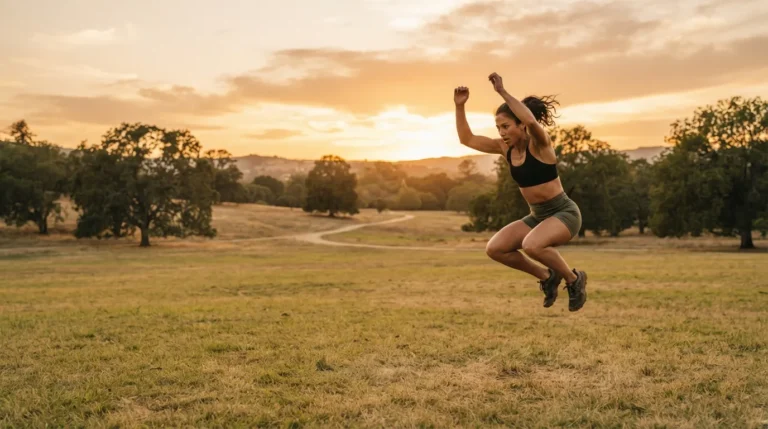
In our fitness journeys, the significance of flexibility and balance cannot be overstated. Both contribute not only to our physical appearance but also to our overall well-being and performance in various activities.
Benefits of Improving Flexibility
Enhancing our flexibility comes with a myriad of benefits. By incorporating stretching techniques into our routines, we can experience:
| Benefit | Description |
|---|---|
| Increased Range of Motion | Greater flexibility allows us to move our joints through their full range, improving athletic performance and reducing injury risk. |
| Improved Posture | Good flexibility helps maintain proper posture by allowing our muscles and joints to align correctly. |
| Enhanced Circulation | Flexibility exercises boost blood flow, delivering essential nutrients and oxygen to our muscles. |
| Stress Relief | Stretching can reduce muscle tension, promoting relaxation and decreasing stress levels. |
| Injury Prevention | Flexible muscles are better able to withstand strain, helping us avoid injuries during workouts. |
For detailed techniques on how to improve flexibility, we can explore various routines that may help enhance our abilities.
Benefits of Enhancing Balance
Just as flexibility plays a crucial role in our fitness, improving our balance is equally important. The advantages of focusing on balance include:
| Benefit | Description |
|---|---|
| Improved Coordination | Enhanced balance helps us coordinate our movements better, which is vital in many sports and physical activities. |
| Stronger Core | Many balance exercises engage our core muscles, contributing to overall strength and stability. |
| Reduced Risk of Falls | Better balance decreases the likelihood of falls and injuries, particularly as we age. |
| Enhanced Athletic Performance | Good balance is essential for many physical activities, particularly those that require agility and stability. |
| Increased Focus | Balance exercises often require mental concentration, helping us develop a stronger mind-muscle connection. |
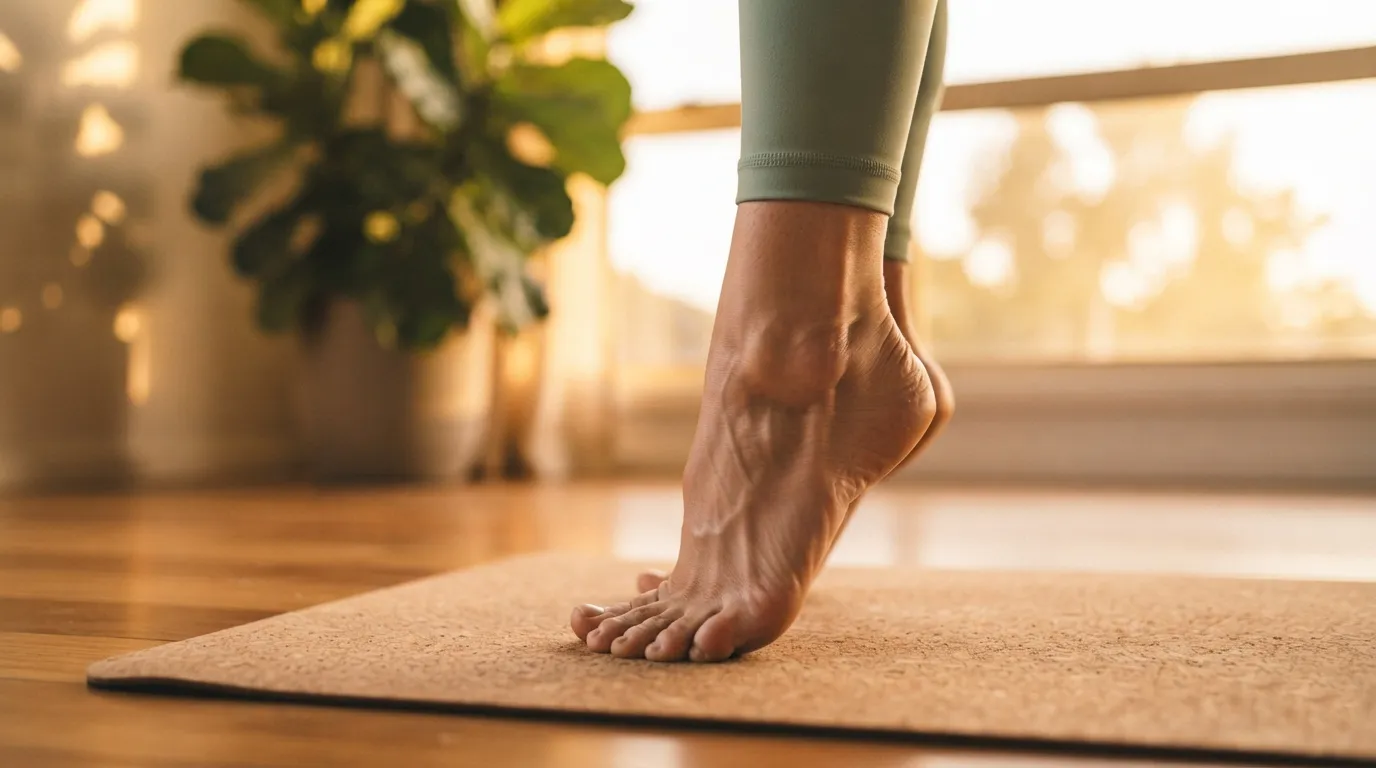
By focusing on both flexibility and balance, we can elevate our fitness experiences and enhance our overall prana. Exploring different training methods and practices will allow us to integrate these components effectively into our routines. Let’s consider how we can incorporate these aspects into our fitness programs through various activities, including aerobics, hiit, and strength training.
Incorporating Flexibility into Our Fitness Routine
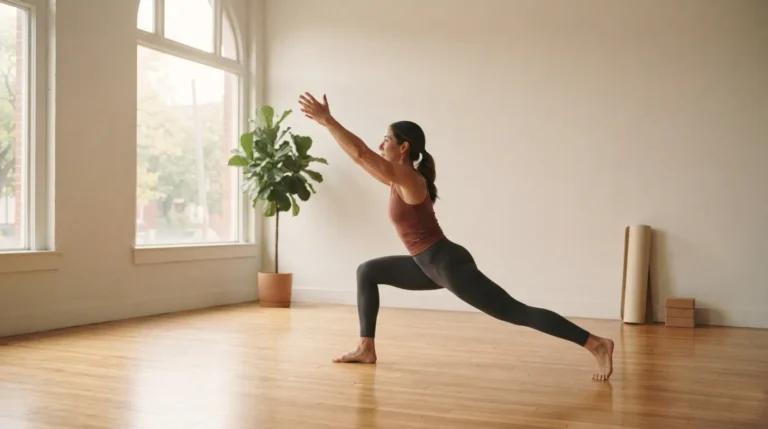
To enhance our overall fitness, we must focus on improving our flexibility. Incorporating effective stretching and yoga poses into our routine can significantly boost our flexibility and balance, leading to enhanced performance in various exercises.
Stretching Techniques for Improved Flexibility
Regular stretching is crucial for increasing our range of motion and reducing the risk of injury. Below are some practical stretching techniques we can implement:
| Stretch Type | Description | Duration |
|---|---|---|
| Static Stretching | Holding a stretch position for 15-30 seconds to elongate muscles. | 15-30 seconds per muscle group |
| Dynamic Stretching | Involves movement and momentum, such as leg swings or arm circles. | 30 seconds |
| PNF Stretching | A partner-assisted technique that includes stretching and contracting muscles. | 20-30 seconds |
We can execute these techniques before and after our workouts to prepare our bodies and aid in recovery. For more information on integrating flexibility into our fitness, we can explore our article on modern fitness regimes and prana.
Yoga Poses to Enhance Flexibility
Yoga provides a holistic approach to improving flexibility. By practicing specific poses, we can stretch our muscles while also calming our minds. Here are some yoga poses that can enhance our flexibility:
| Yoga Pose | Benefits |
|---|---|
| Downward Dog | Stretches the back, hamstrings, and calves |
| Forward Bend | Increases flexibility in the spine and hamstrings |
| Butterfly Pose | Opens the hips and inner thighs |
| Cobra Pose | Improves spinal flexibility and stretches the chest |
| Pigeon Pose | Targets the hips and lower back |
Incorporating these poses into our fitness routine can lead to significant improvements in flexibility and balance. We can start with a few minutes of yoga each day and gradually increase our practice as we become more comfortable. Additionally, learning about the mind-muscle connection can help us focus our efforts and maximize the benefits of each pose.
Enhancing Balance for a Stronger Core
Achieving better balance is essential for developing a stronger core, which plays a crucial role in overall fitness. By integrating balance exercises and yoga asanas into our routine, we can enhance both our stability and strength.
Balance Exercises for Core Strength
Incorporating balance exercises into our fitness regime can significantly improve our core strength while enhancing our overall stability. Below are some effective balance exercises:
| Exercise | Description | Duration/Sets |
|---|---|---|
| Single-Leg Stand | Stand on one leg for stability; hold for as long as possible. | 3 sets, 30 seconds per leg |
| Heel-to-Toe Walk | Walk in a straight line, placing the heel of one foot directly in front of the toes of the other. | 3 sets, 10 steps each |
| Side Leg Raises | Stand straight and lift one leg out to the side, keeping it straight. | 3 sets of 10 raises per leg |
| Plank with Leg Lift | Maintain a plank position while lifting one leg off the ground; alternate legs. | 3 sets, 10 lifts each leg |
These exercises focus on enhancing proprioception, which is crucial for balance and coordination. We can find more information regarding various fitness practices in our article on modern fitness regimes and prana.
Yoga Asanas for Better Balance
Yoga offers a myriad of asanas that can help us improve our balance while fostering core strength. Here are some key poses we can practice:
| Yoga Asana | Benefits | Duration |
|---|---|---|
| Tree Pose (Vrksasana) | Improves balance, stability, and focus. | Hold for 30 seconds to 1 minute per leg |
| Warrior III (Virabhadrasana III) | Strengthens the legs and core while enhancing balance. | Hold for 30 seconds per leg |
| Half Moon Pose (Ardha Chandrasana) | Increases lateral stability and core strength. | Hold for 30 seconds per side |
| Dancer’s Pose (Natarajasana) | Enhances balance and stretches the front body. | Hold for 30 seconds per leg |
Practicing these asanas not only develops physical balance but also promotes mental concentration, which is essential for achieving harmony in our fitness journey. For a more profound understanding of how to connect our mind and body, we can explore the concept of mind-muscle connection.
By regularly engaging in these balance exercises and yoga poses, we can enhance our core strength and overall fitness, leading us to a more stable and controlled movement throughout our daily activities.
Progressive Approach to Flexibility and Balance
Improving our flexibility and balance requires a structured and progressive approach. This ensures that we achieve our fitness goals while minimizing the risk of injury.
Setting Realistic Goals
When we embark on our journey to enhance flexibility and balance, setting realistic and achievable goals is essential. It helps us maintain motivation and track our progress effectively. We can start by identifying specific areas we want to improve. Here is a table to help guide our goal-setting process:
| Goal Description | Examples | Time Frame |
|---|---|---|
| Improve overall flexibility | Achieve touching toes | 4 weeks |
| Enhance balance skills | Stand on one leg for 30 seconds | 6 weeks |
| Increase range of motion | Perform a full split | 3 months |
| Strengthen core stability | Hold a plank for 1 minute | 2 weeks |
We should choose goals that suit our current abilities and gradually increasing their difficulty over time. To support our flexibility and balance development, we can reference techniques outlined in our article on modern fitness regimes and prana.
Tracking Progress and Adjusting Routines
Monitoring our progress is crucial for achieving our flexibility and balance goals. We can keep a journal or use fitness apps to log our workouts, including the exercises performed, repetitions, and any improvements noticed. A simple tracking table could look like this:
| Date | Exercise | Duration | Flexibility Improvement | Balance Improvement |
|---|---|---|---|---|
| 01/01/2023 | Forward Bend Stretch | 10 mins | Touching toes | N/A |
| 01/03/2023 | Single Leg Stand | 5 mins | N/A | 15 seconds |
| 01/10/2023 | Seated Split Stretch | 12 mins | 1 inch closer to ground | N/A |
| 01/15/2023 | Plank | 1 min | N/A | 20 seconds |
As we continuously track our progress, we can adjust our routines if we notice stagnation or if certain exercises are too difficult or easy. This flexibility in our approach ties back into our overall goals for improving both flexibility and balance. Additionally, embracing various fitness techniques such as strength training, aerobics, or HIIT can enhance our overall performance and results.
By setting realistic goals and consistently monitoring our progress, we can foster a sustainable approach to enhancing our flexibility and balance. This systematic method not only contributes to our physical fitness but also deepens our understanding of the mind-muscle connection, which we can explore further in our article on mind-muscle connection.
Related reading: our articles on strength training and mind-muscle connection.
FAQ
What’s the difference between static and dynamic stretching?
Static stretching involves holding a position for 15 to 30 seconds to elongate muscles, while dynamic stretching uses movement and momentum, like leg swings or arm circles.
Which yoga poses are commonly used to improve balance?
Tree Pose, Warrior III, Half Moon Pose, and Dancer’s Pose are frequently used to build balance and core strength together.
How long should I hold a single-leg balance exercise?
A common target is 3 sets of about 30 seconds per leg, building up gradually as stability improves.