

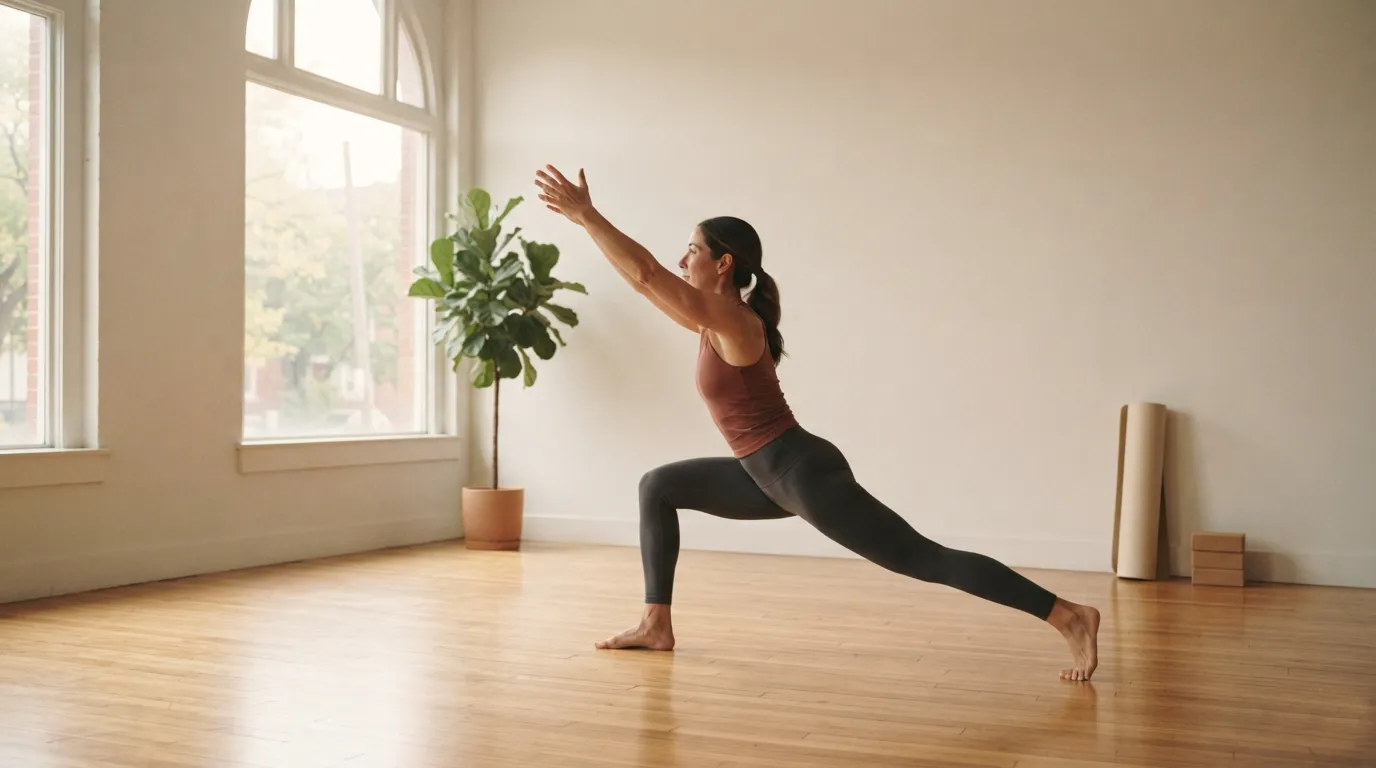

The Connection Between Modern Fitness and Prana
Understanding the Concept of Prana
Prana, often translated as “life force” or “vital energy,” is an essential concept found in various Eastern philosophies, particularly in yoga and Ayurveda. It represents the energy that flows through all living beings, sustaining life and influencing mental and physical health. When we cultivate and harness prana, we enhance our overall well-being, fostering a sense of balance and vitality.
Understanding prana requires us to recognize the importance of breath and energy in our daily lives. Through practices that enhance this life force, we can achieve greater health and emotional stability. Techniques such as yoga and meditation play a crucial role in increasing prana, leading to improved physical performance and mental clarity.
Exploring Modern Fitness Regimes
Modern fitness regimes offer a variety of approaches that can complement and enhance our understanding and experience of prana. These regimes often focus on different aspects of physical health, including cardiovascular fitness, strength, and flexibility. By integrating elements that support our life force, we can create a more holistic and effective fitness routine.
Here, we can categorize different fitness modalities based on their impact on prana:
| Fitness Modality | Core Focus | Potential Prana Enhancement |
|---|---|---|
| Aerobics | Cardiovascular endurance | Increases energy flow |
| High-Intensity Interval Training (HIIT) | Interval training for strength and endurance | Boosts vitality |
| Strength Training | Building muscle | Enhances mind-muscle connection |
| Flexibility Training | Stretching and mobility | Promotes energy circulation |
By exploring various fitness regimes, we can identify which practices resonate with us and how they can be tailored to enhance our prana. From the rhythmic movements of aerobics to the dynamic challenges of HIIT, the options available allow us to effectively nurture our energy while pursuing physical fitness goals.
Engaging in strength training develops our muscle strength, supporting energy flow throughout our bodies. Incorporating flexibility and balance exercises enhances not only our physical attributes but also our connection to prana by allowing freer movement and reducing energy blockages.
Ultimately, we can utilize modern fitness regimes as tools to support our journey of integrating prana, opening pathways to a healthier, revitalized self. Our bodies and minds can work in harmony as we combine these practices, helping us to achieve not just physical fitness but a deeper sense of well-being.
Integrating Modern Fitness with Prana
To enhance our overall well-being, we can effectively integrate modern fitness techniques with the ancient concept of prana. This integration involves mindful movement practices and specific breathing techniques that foster a deeper connection with our bodies.
Mindful Movement Practices
Mindful movement practices focus on the awareness of our body as we engage in physical activity. These practices allow us to cultivate a strong mind-muscle connection, which enhances our exercise experience and improves our overall fitness. Here are some of the key mindful movement practices we can incorporate:
| Practice Type | Description | Benefits |
|---|---|---|
| Yoga | A physical and mental discipline involving postures, breathing, and meditation. | Improves flexibility, strength, and focus. |
| Tai Chi | A form of martial art known for its slow movements and focus on balance. | Enhances coordination and reduces stress. |
| Pilates | A system of exercises designed to improve muscle control, strength, and posture. | Increases core strength and stability. |
Integrating these practices into our fitness routines allows us to enhance the flow of prana, revitalizing our energy levels and improving focus during workouts.
Breathing Techniques and Meditation
Breathing techniques and meditation are essential practices that can enhance our connection to prana. By focusing on our breath, we cultivate a sense of calm and grounding. Below are some effective techniques we can utilize:

| Technique | Description | Benefits |
|---|---|---|
| Diaphragmatic Breathing | Deep breathing technique involving the diaphragm to promote full oxygen exchange. | Reduces stress and increases energy levels. |
| Box Breathing | A structured breathing technique that involves inhaling, holding, exhaling, and holding again for equal counts. | Improves focus and relaxation. |
| Mindfulness Meditation | A practice centered on focusing on the present moment, breathing, and bodily sensations. | Enhances awareness and mental clarity. |
By incorporating these breathing techniques and meditation into our fitness routines, we not only enhance our physical performance but also amplify the flow of prana within us.
Through mindful movement and dedicated breathing techniques, we can successfully merge modern fitness regimes with prana, leading to a more holistic approach to our health and well-being. For further details on building strength, visit our article about strength training or explore the benefits of flexibility and balance.
Enhancing Prana through Physical Fitness
Integrating physical fitness into our routine is a powerful way to enhance prana, the life force that energizes our being. In this section, we will explore the benefits of cardiovascular exercises and the importance of strength training and flexibility in revitalizing our energy flow.
Cardiovascular Exercises
Cardiovascular exercises, often known as aerobic activities, play a crucial role in boosting our prana. These exercises increase our heart rate, improve circulation, and enhance lung capacity, allowing for better oxygenation of our body. Engaging in consistent cardiovascular workouts helps to clear blockages in our energy pathways, promoting a balanced flow of prana.
Here’s a quick overview of some common cardiovascular exercises and their benefits:
| Exercise Type | Duration (minutes) | Benefits | |
|---|---|---|---|
| Jogging | 30 | Improves endurance, strengthens the heart |  |
| Cycling | 30 | Enhances lower body strength, boosts mood |  |
| Swimming | 30 | Full-body workout, low impact on joints |  |
| HIIT | 20 | Efficient fat burning, increases metabolic rate |  |
Incorporating activities such as aerobics, running, or HIIT into our weekly fitness regimen can significantly enhance our overall vitality and connection to prana.
Strength Training and Flexibility
Strength training and flexibility exercises are also essential for enhancing prana. Building muscle allows us to support our body’s weight efficiently, improving stability and reducing the risk of injury. When we engage in strength training, we also cultivate a strong mind-muscle connection, which deepens our awareness of how our body moves and channels energy.
Flexibility exercises, on the other hand, help us maintain a full range of motion in our joints. By incorporating practices such as yoga and stretching, we can alleviate tension and improve our energy flow, ensuring that prana circulates effectively throughout our bodies. Consider the following aspects of strength training and flexibility:
| Component | Focus Areas | Benefits |
|---|---|---|
| Strength Training | Major muscle groups | Increases muscle mass, enhances metabolism |
| Flexibility | Joint mobility | Reduces stiffness, promotes relaxation |
| Balance | Core stability | Improves posture, prevents falls |
Including strength training and flexibility and balance exercises in our fitness routine not only strengthens our physical body but also enhances our pranic energy, creating a harmonious balance that supports our overall well-being.
Maintaining Balance and Harmony
In our quest for integrating modern fitness regimes and prana, maintaining balance and harmony becomes crucial. We must learn to listen to our bodies and incorporate consistent self-care practices into our routines.
Listening to Your Body
Listening to our bodies is essential for understanding our physical and mental limits. Each workout should feel invigorating rather than exhausting. By paying attention to how we feel before, during, and after exercise, we can adjust our activities accordingly. Signs such as fatigue, soreness, or discomfort should guide us in modifying intensity or taking rest days.
| Body Signals | Suggested Actions |
|---|---|
| Fatigue | Reduce workout intensity or take a break |
| Soreness | Incorporate more stretching or flexibility work |
| Discomfort | Consider different exercises or seek professional guidance |
By honoring our body’s signals, we enhance our prana and prevent injury. Implementing practices like yoga or mindfulness can help sharpen our awareness of these signals. For more insights into mental engagement during workouts, check out our article on mind-muscle connection.
Consistency and Self-Care Practices
Consistency in our fitness journey is vital for fostering prana. Committing to regular physical activity, whether through aerobics, HIIT, strength training, or flexibility routines, helps us build endurance and vitality. Establishing a weekly schedule can keep us on track.
To enhance our physical and mental well-being, self-care practices should be integrated into our routines. These may include:
| Self-Care Practices | Benefits |
|---|---|
| Hydration | Supports overall health and energy levels |
| Nutrition | Fuels our body for optimal performance |
| Sleep | Aids recovery and enhances mental clarity |
| Meditation | Reduces stress and improves focus |
We can nurture our prana through healthy habits, allowing us to thrive in our fitness endeavors. Remember, achieving balance and harmony is an ongoing process that requires commitment and self-love. By incorporating mindful awareness and consistent self-care into our lives, we pave the way for a more fulfilling fitness journey intertwined with prana.
You might also find our pieces on aerobics and HIIT useful.
FAQ
What fitness modalities are commonly linked to enhancing prana?
Aerobics, HIIT, strength training, and flexibility training are each associated with different aspects of prana — from boosting energy flow to enhancing the mind-muscle connection.
What breathing technique is commonly recommended for connecting fitness with prana?
Diaphragmatic breathing, a deep technique using the diaphragm for full oxygen exchange, is frequently cited for reducing stress and increasing energy levels during workouts.
How do I know if I need to scale back a workout?
Signs like fatigue, soreness, or discomfort are cues to reduce intensity, add more stretching, or consider a different exercise rather than pushing through.