

Barley is one of the oldest cultivated grains, grown in the Fertile Crescent as far back as 10,000 BC. It’s held onto its place in modern kitchens for good reason — a nutty flavor, a chewy bite, and a nutrient profile that holds up well against more fashionable grains.
Hulled vs. pearled
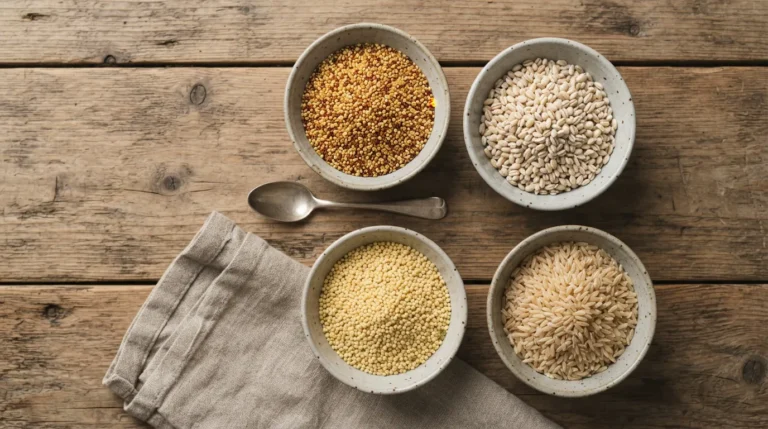
Hulled barley keeps its bran layer intact, which means more fiber and nutrients but a longer cook time. Pearled barley has that outer layer polished off, so it cooks faster but loses some of the nutritional edge. Either works fine in most recipes — the choice comes down to how much time you have.
A grain with a long history
Barley’s cultivation goes back to roughly 10,000 BC in the Fertile Crescent, making it one of the first crops humans domesticated. Ancient Egyptians used it as both food and currency; in Mesopotamia, it was central to bread and early beer production. In medieval Europe, it served as both animal feed and a staple food for people who couldn’t afford wheat. Its ability to grow in poor soil and a range of climates is part of why it spread as widely as it did — a practical grain first, valued food second, in many of the places it took hold.
What makes it worth eating
A cup of cooked barley (157 grams) provides about 193 calories, 6 grams of fiber, and 3.5 grams of protein. The standout nutrient is beta-glucan, a soluble fiber tied to lower cholesterol and steadier blood sugar — that same fiber also supports digestion and helps you feel full longer, which is part of why barley shows up often in weight-management-focused diets.
Cooking with it
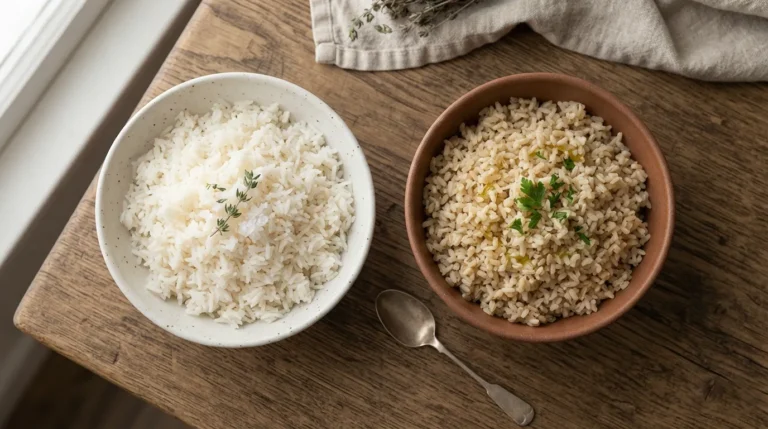
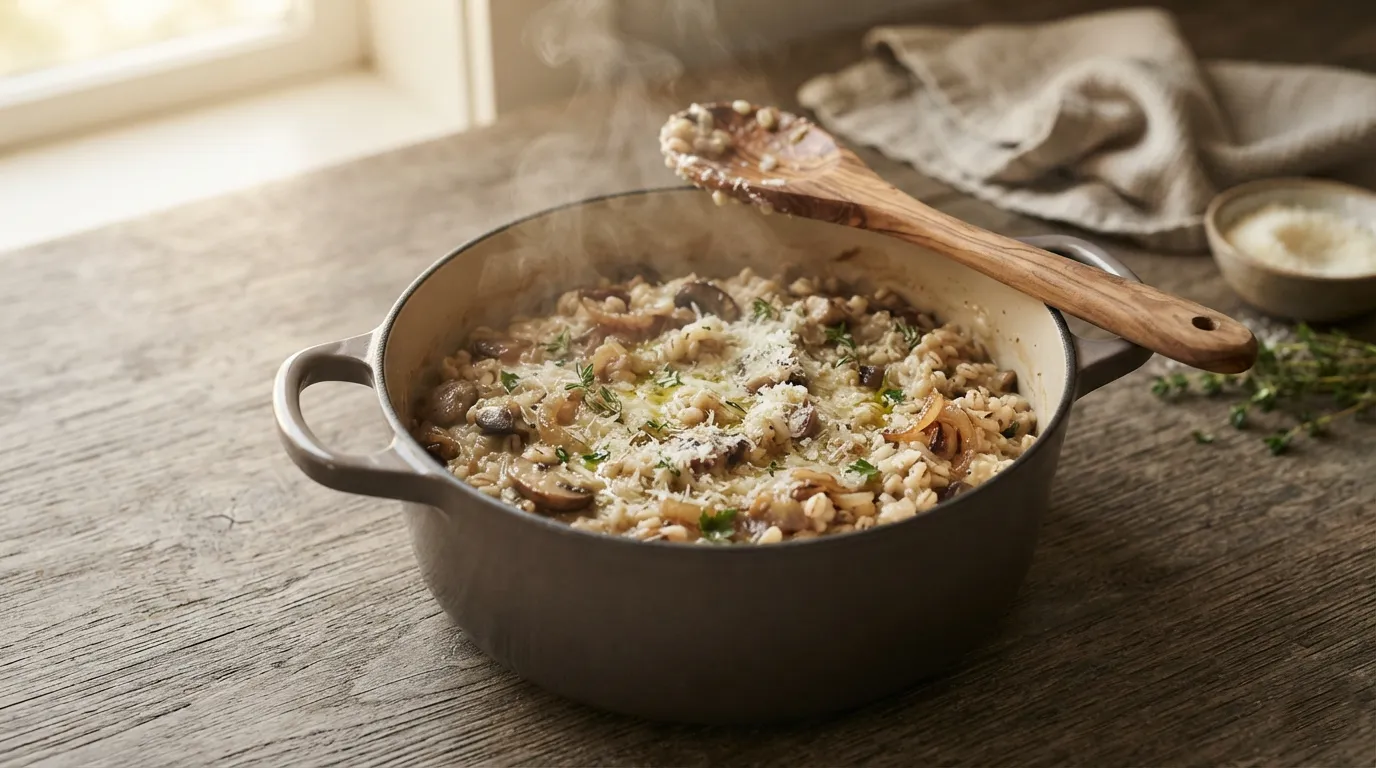
Use roughly 1 cup of pearl barley to 3 cups of water or broth, and simmer for 30 to 40 minutes until tender — hulled barley takes noticeably longer. It works well in soups and stews where its chewiness holds up, as a risotto base, or simply as a side dish in place of rice.
Working it into meals
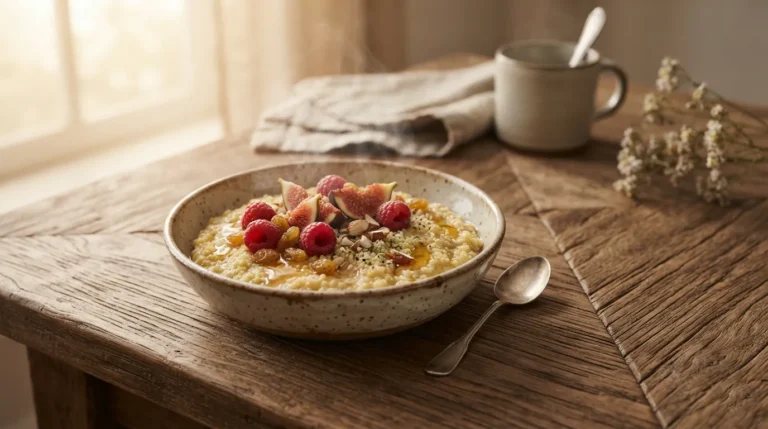
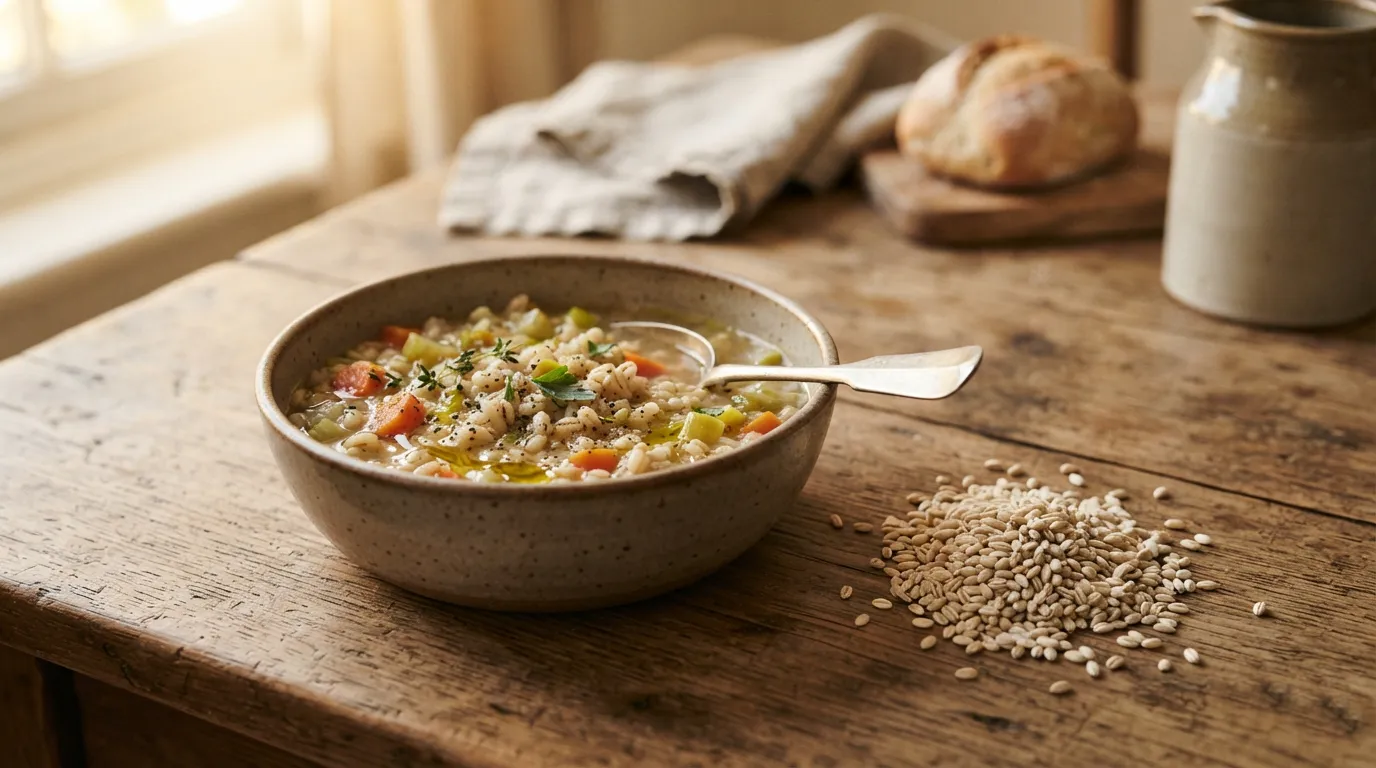
Cooked barley makes a solid base for a grain salad with cherry tomatoes, cucumber, parsley, and a lemon vinaigrette. A barley vegetable soup — simmered with broth, mixed vegetables, and herbs until everything softens — is an easy way to use up a fridge full of odds and ends. For something richer, a barley risotto made the traditional way (sautéed onion and garlic, barley added and toasted briefly, then stock stirred in gradually) swaps in for arborio rice and holds up just as well, finished with a bit of parmesan. It also swaps in easily for oats at breakfast, sweetened with honey and topped with fruit, or for rice alongside roasted vegetables and a protein at dinner.
Barley beyond the whole grain
Barley flakes, made by rolling the grain flat the same way oats are processed, cook faster than whole barley and work well as a hot cereal or mixed into granola. Barley flour, milled from the whole grain, can replace a portion — usually up to a third — of wheat flour in bread, muffins, or pancakes, adding a slightly nutty flavor and extra fiber, though it lacks enough gluten to fully replace wheat flour on its own. Barley also has a long history outside the kitchen: it’s a foundational ingredient in beer brewing, where malted barley provides the sugars that yeast ferments into alcohol, a use dating back to some of the earliest known alcoholic beverages in ancient Mesopotamia.
Worth a look too: our articles on grains and legumes.
FAQ
What type of fiber makes barley notable?
Barley is rich in beta-glucan, a soluble fiber linked to improved digestion and better cholesterol management.
What’s the difference between hulled and pearled barley?
Hulled barley keeps its bran layer and more nutrients, while pearled barley has the outer husk removed so it cooks faster.
How do I cook barley?
Use roughly 1 cup of pearl barley to 3 cups of water or broth and simmer for about 30 to 40 minutes until tender.