
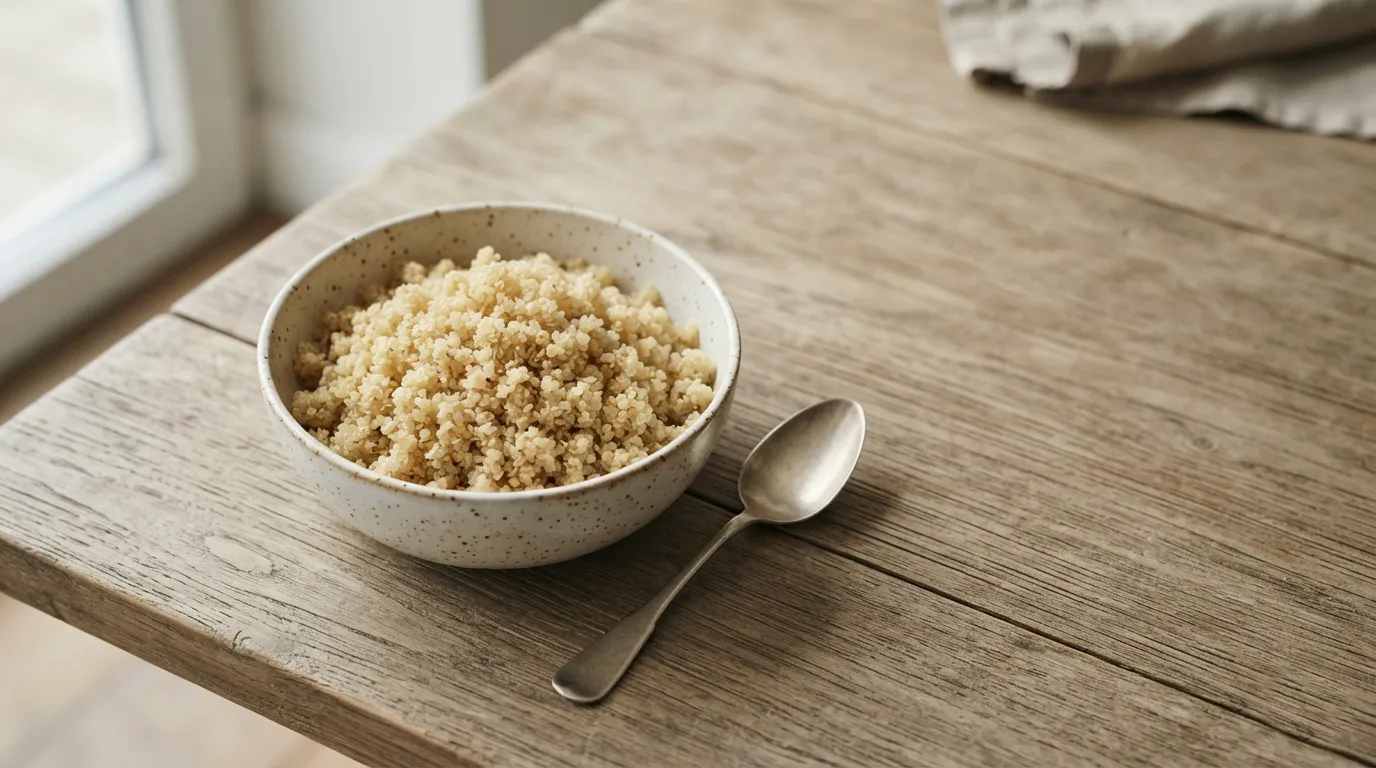

Quinoa isn’t actually a grain — it’s a seed, though it cooks and eats like one, which is part of why it slots so easily into recipes that call for rice or couscous. The Incas called it “the mother grain” and relied on it as a staple crop in the high-altitude Andes, where not much else grows well.
Why it’s nutritionally unusual
Quinoa is a complete protein — it contains all nine essential amino acids, which is rare among plant foods and part of why it’s popular with vegetarians and vegans looking to diversify protein sources beyond legumes. A cooked cup delivers around 8 grams of protein and 5 grams of fiber, plus a solid dose of magnesium and manganese.
Cooking it properly
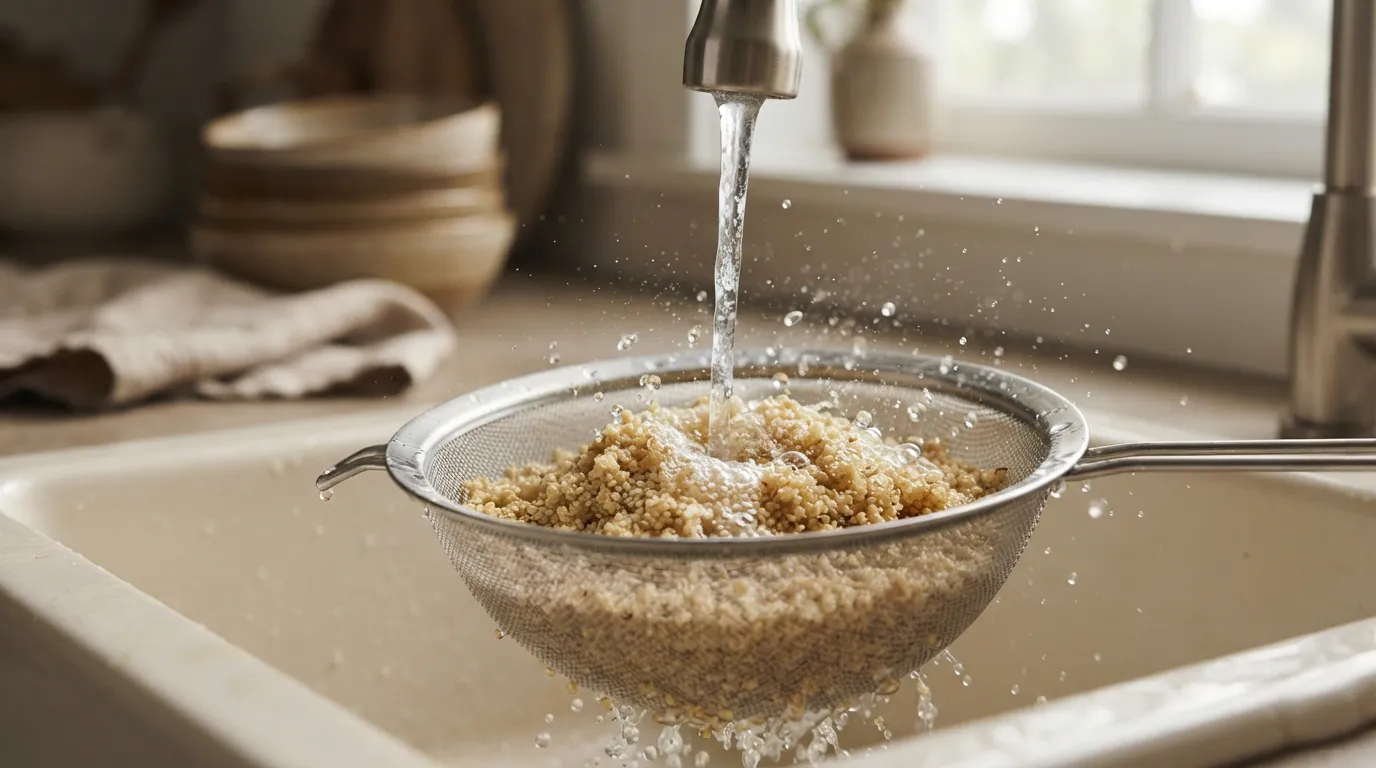
Rinse it first — quinoa has a natural coating called saponin that tastes bitter if you skip this step. Use a 2:1 water-to-quinoa ratio, bring to a boil, then simmer covered for about 15 minutes. Let it sit off heat for a few minutes before fluffing with a fork.
Where it actually fits
It’s naturally gluten-free, which makes it a solid substitute for couscous or bulgur in recipes for anyone avoiding gluten. Cold, it works well in grain salads; warm, it’s a base for bowls with roasted vegetables and a protein of your choice. It also holds up fine in soups, adding texture without turning mushy.
Buying and storing
White, red, and black quinoa all cook similarly but differ slightly in flavor — red and black are a touch earthier and hold their shape better, which matters for salads. Dry quinoa keeps for up to two years in a sealed container; cooked quinoa lasts about a week in the fridge or a couple of months frozen.
If this topic interests you, our articles on modern superfoods and chia seeds cover related ground.
FAQ
Is quinoa a grain or a seed?
Quinoa is technically a seed, though it cooks and eats like a grain, which is why it slots easily into recipes that call for rice or couscous.
Why is quinoa considered a complete protein?
It contains all nine essential amino acids, which is rare among plant foods and makes it useful for vegetarians and vegans diversifying their protein sources.
Do I need to rinse quinoa before cooking?
Yes — quinoa has a natural coating called saponin that tastes bitter if it isn’t rinsed off before cooking.