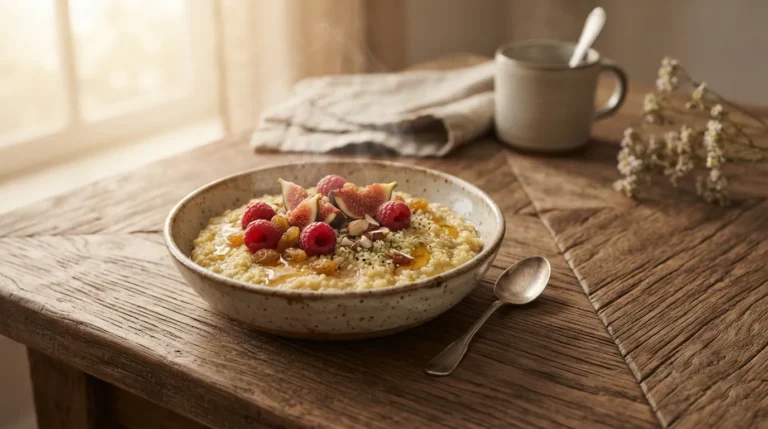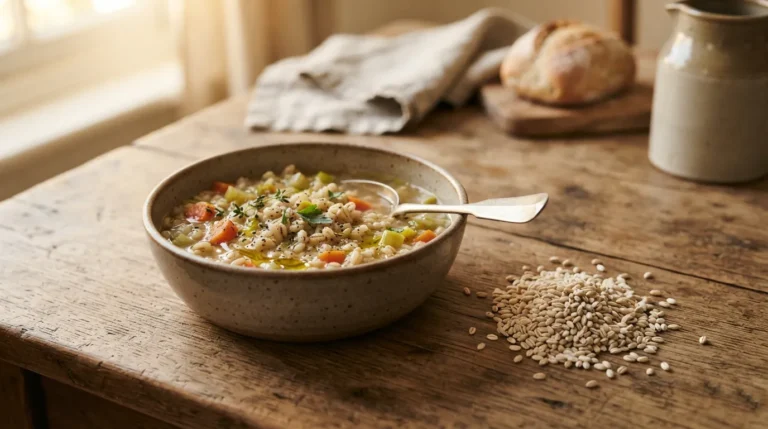

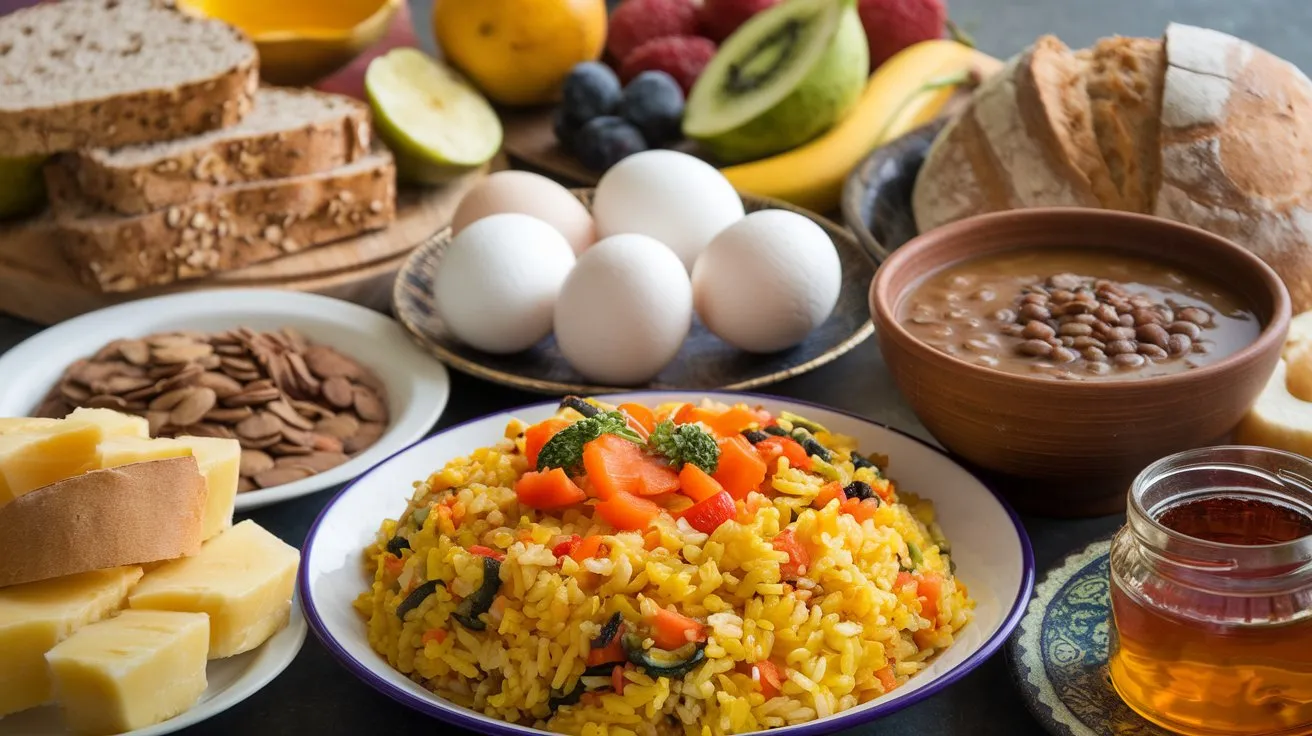
A Sattvic food list built around a high-fiber, low-fat vegetarian lifestyle is why many of us embrace this diet for its numerous health benefits. It is based on consuming whole, nutritious foods such as fruits, vegetables, sprouted whole grains, fresh fruit juices, legumes, nuts, seeds, and herbal teas. This page is a practical, ready-to-use list companion — for the full picture on principles, benefits, and how sattva, rajas, and tamas work together, see our complete Sattvic Diet guide.

Sattvic Food List at a Glance
Here’s the shortest version: whole, fresh, plant-based foods eaten close to their natural state. The table below groups the main categories before we get into the detailed lists.
| Food Group | Examples |
|---|---|
| Fruits | Apples, bananas, berries, oranges, mangoes |
| Vegetables | Spinach, carrots, broccoli, kale, zucchini |
| Grains | Brown rice, quinoa, whole oats, barley |
| Legumes | Lentils, chickpeas, black beans, mung beans |
| Nuts and Seeds | Almonds, walnuts, chia seeds, flaxseeds |
| Herbal Teas | Chamomile, peppermint, ginger |
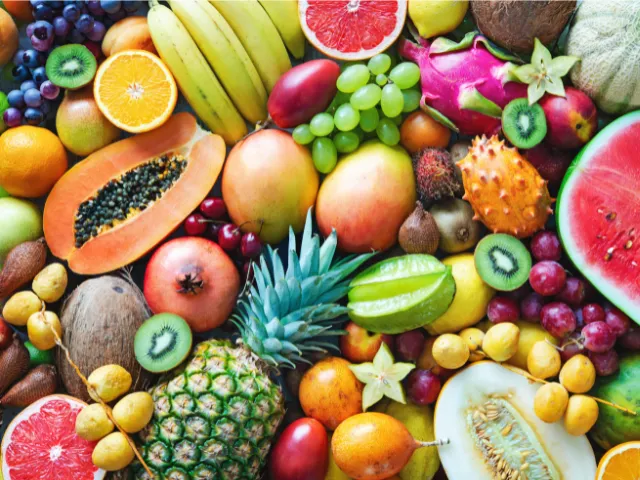
Fresh and organic produce is preferred throughout — we prioritize seasonal, ripe choices consumed close to preparation, and lightly roasting or sprouting grains before cooking to improve digestibility.
Sun Foods vs. Ground Foods: A Distinction Worth Knowing
Ayurvedic food selection makes a distinction that most modern “clean eating” lists skip entirely: foods grown above ground in direct sunlight versus foods grown underground in darkness. Sun foods — fruits, most leafy greens, tomatoes on the vine, grains ripened in open fields — are considered lighter and more energizing, carrying the sun’s warmth into the body. Ground foods — potatoes, garlic, onions, radishes, and other root vegetables — grow in darkness and are viewed as heavier and more grounding, which is part of why several root vegetables (onion and garlic especially) land in the rajasic or tamasic categories rather than the sattvic one.
This isn’t a hard rule — carrots and sweet potatoes are root vegetables that are still widely accepted as sattvic — but it explains a question that trips a lot of people up: why an otherwise “healthy” vegetable like garlic gets excluded while a sun-ripened fruit doesn’t. When you’re building a sattvic plate, leaning toward sun-grown produce and treating root vegetables as an occasional, mindfully-chosen exception is a useful shortcut.
The Complete Sattvic Food List
In our journey towards embracing a sattvic lifestyle, we can curate a diverse and nourishing sattvic food list that enhances our well-being. This section highlights the fruits, vegetables, grains, and legumes that align with sattvic principles.
Fruits in a Sattvic Diet
Fresh and organic fruits are integral to a sattvic diet. We prioritize seasonal, ripe fruits that are consumed in their natural state. Here is a list of fruits that embody the sattvic essence:
| Sattvic Fruits | |
|---|---|
| Apples | Kiwifruit |
| Apricots | Mangoes |
| Berries | Melons |
| Dates | Oranges |
| Dragonfruit | Peaches |
| Figs | Pears |
| Grapes | Pineapples |
We prefer fresh fruits over frozen or preserved varieties to maintain their natural vibrancy.
Vegetables in a Sattvic Diet
Mild vegetables form the backbone of our sattvic meals, while pungent varieties are to be avoided. Vegetables like garlic, onion, and mushrooms fall into the rajasic or tamasic category and should be excluded. Below is a selection of vegetables that are generally considered sattvic:
| Sattvic Vegetables | |
|---|---|
| Carrots | Cucumber |
| Spinach | Bell Peppers |
| Zucchini | Green Beans |
| Cauliflower | Sweet Potatoes |
| Broccoli | Asparagus |
While some might include tomatoes and eggplants as sattvic, we lean towards the consensus that they may not fit the definition, given their rajasic-leaning intensity.
Grains and Legumes in a Sattvic Diet
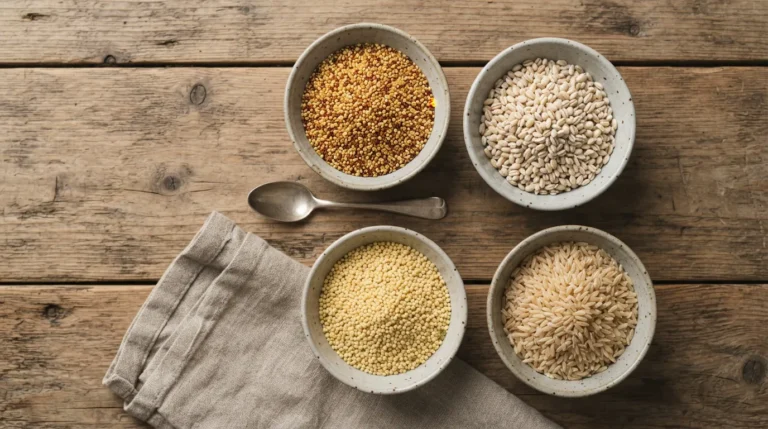
Whole grains and legumes provide essential nourishment and energy. They can be enjoyed in various forms, and here’s a list of staples we can include in our diet:
| Sattvic Grains | Sattvic Legumes |
|---|---|
| Organic Rice | Mung Beans |
| Whole Wheat | Lentils |
| Spelt | Yellow Split Peas |
| Oatmeal | Chickpeas |
| Barley | Aduki Beans |
| Common Beans | |
| Bean Sprouts |
We can enhance the digestibility of grains by lightly roasting or sprouting them before cooking — this preparation method helps remove some of their heavier qualities.
Building a Balanced Sattvic Plate
Having the list is one thing; knowing how to combine it into an actual meal is another. A workable starting ratio, borrowed loosely from general vegetarian plate-planning guidance and adapted to sattvic categories, looks like this:
| Plate Share | What Goes There |
|---|---|
| 40% | Vegetables — a mix of leafy greens and something more substantial like broccoli, zucchini, or sweet potato |
| 25% | Whole grains — brown rice, quinoa, or whole oats |
| 20% | Legumes — lentils, chickpeas, or mung beans for protein |
| 10% | Fresh fruit, eaten separately where possible rather than mixed into the main plate |
| 5% | Nuts, seeds, or a small drizzle of ghee for healthy fat |
The main adjustment from a standard plant-based plate is timing and freshness rather than proportion — sattvic guidance leans toward eating fruit on its own (not immediately after a cooked meal, since the two are thought to digest at different speeds) and favoring food made the same day over anything reheated.
Sattvic Foods by Season
Freshness is a core sattvic principle, and freshness is seasonal. Building the food list around what’s actually in season where you live keeps produce closer to peak nutrition and flavor, which is part of the point. A rough Northern Hemisphere guide:
| Season | Lean Into | Ease Off |
|---|---|---|
| Spring | Leafy greens, sprouts, asparagus, berries | Heavy grains, dense root vegetables |
| Summer | Melons, cucumber, zucchini, stone fruit | Long-cooked, warming dishes |
| Autumn | Squash, apples, pears, whole grains | Excess raw food as temperatures drop |
| Winter | Warming cooked grains, dates, figs, root vegetables like carrots and sweet potato | Cold or frozen produce eaten straight from the fridge |
None of this is strict — a sattvic kitchen in a place with a short growing season leans more on stored grains and legumes through winter, and that’s fine. The underlying idea is simply to track what’s fresh rather than defaulting to the same shopping list every week regardless of the calendar.
Calorie and Portion Guide for Common Sattvic Foods
Sattvic eating isn’t built around calorie-counting, but knowing roughly what you’re working with helps when you’re planning meals or portioning a plate. These are typical values per 100g, as commonly reported by nutrition databases:
| Food | Approx. Calories (per 100g) |
|---|---|
| Fresh salad greens (spinach, lettuce) | 15–25 kcal |
| Cooked lentils | ~116 kcal |
| Mung bean sprouts | ~30 kcal |
| Fresh fruit (average, varies by type) | 50–70 kcal |
| Cooked brown rice | ~112 kcal |
| Cooked chickpeas | ~164 kcal |
| Almonds and other nuts | ~575–600 kcal |
Nuts and seeds are the outlier here — sattvic in quality, but calorie-dense, so a handful (not a bowlful) is the usual portion. Everything else on the list is naturally filling at low calorie density, which is part of why the diet tends to support steady, satisfying meals without much deliberate restriction.
For the full breakdown of sattvic principles, health benefits, cooking methods, and how to handle rajasic and tamasic foods, our complete Sattvic Diet guide covers all of it in one place.
FAQ
Many sattvic staples double as modern nutrition trends — see our article on the rise of superfoods.