

Grains have anchored human diets since agriculture began, roughly 10,000 years ago in the Fertile Crescent. The distinction that actually matters today isn’t which grain you eat — it’s whether it’s whole or refined.
Whole vs. refined
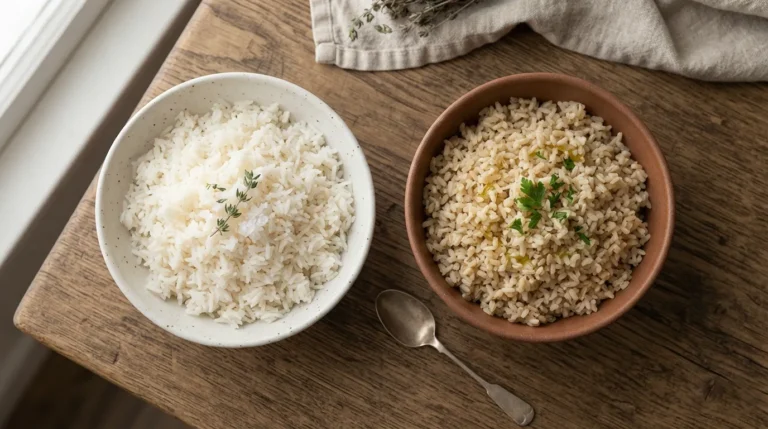
Whole grains keep all three parts of the kernel — bran, germ, and endosperm — which means considerably more fiber, protein, and micronutrients than their refined counterparts. Whole wheat, for example, carries around 12 grams of fiber per 100 grams; refined wheat drops to under 3.
What whole grains actually do for you
The fiber in whole grains slows digestion, which helps prevent the blood sugar spikes that refined carbs are prone to. That same fiber supports heart health by helping lower cholesterol, and diets built around whole grains are consistently linked to lower rates of type 2 diabetes and obesity.
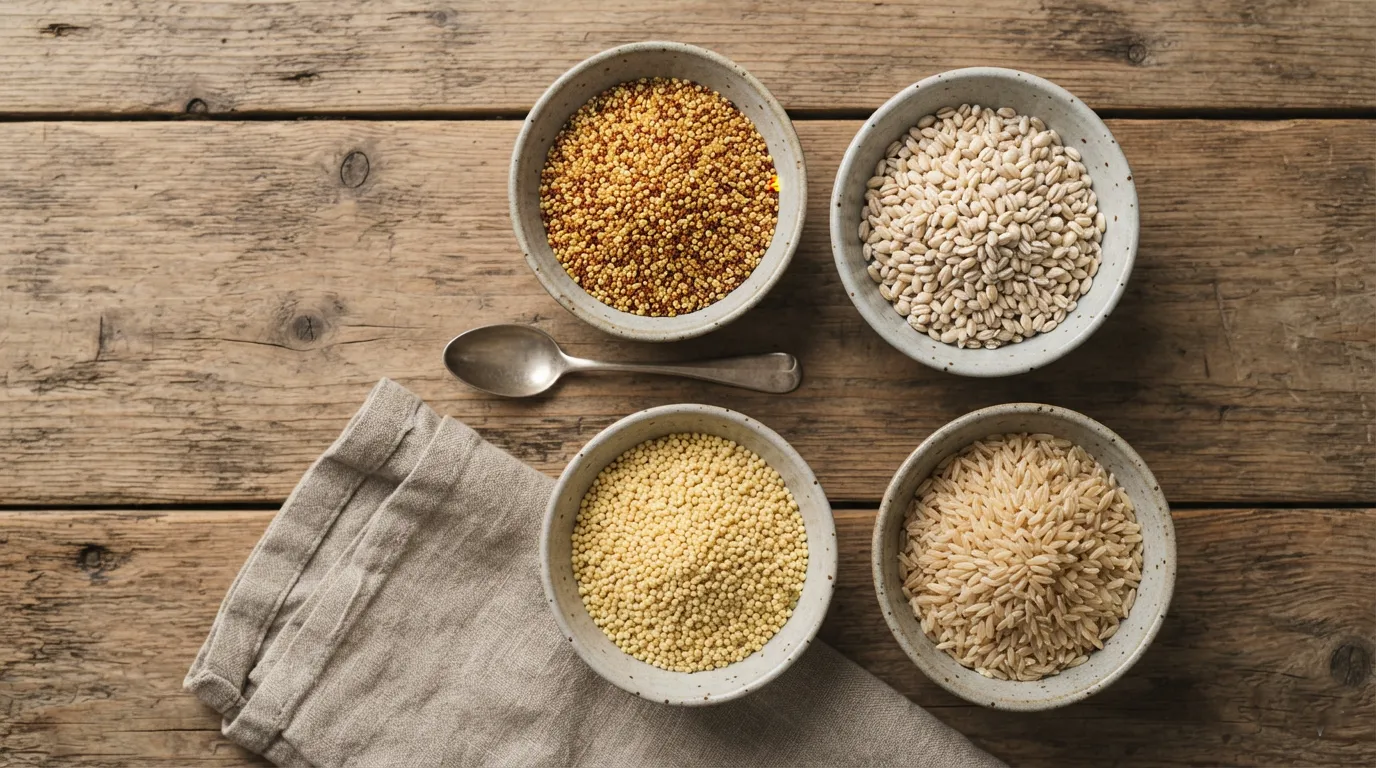
Ancient grains worth knowing
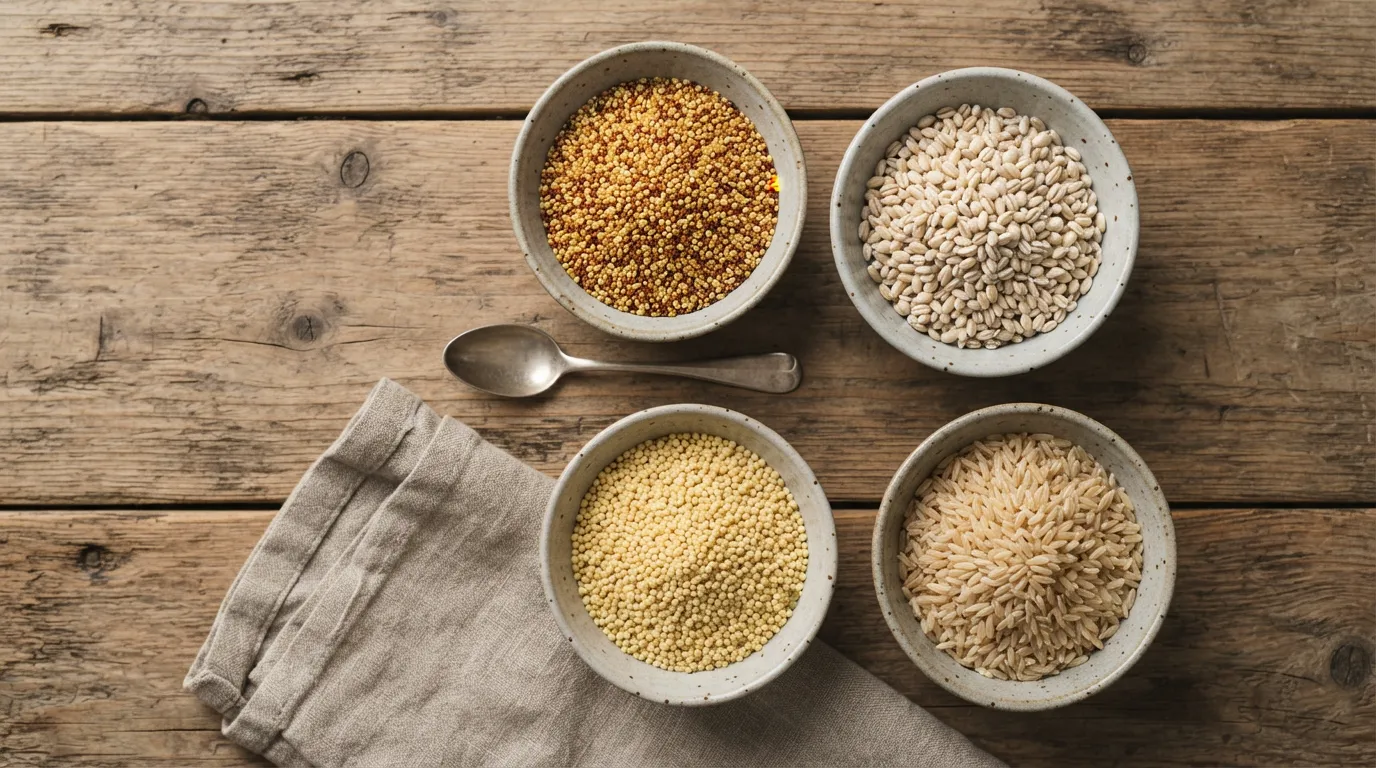
Quinoa, technically a seed rather than a true grain, stands out as a complete protein — it contains all nine essential amino acids, which is rare among plant foods. Barley is particularly high in fiber, especially the cholesterol-lowering beta-glucan type. Millet is naturally gluten-free and notably rich in magnesium. Farro, an ancient wheat variety popular in Italian cooking, brings a good dose of protein and antioxidants along with a satisfying chew. Each brings something slightly different nutritionally and texturally, which is reason enough to rotate beyond just rice and wheat.
Working more into your week
Cooking a batch of grains at the start of the week — a pot of quinoa or barley — makes it easy to build quick salads, bowls, or sides without extra prep each night. A reasonable rotation: oatmeal or whole grain toast at breakfast, a barley or quinoa salad at lunch, and millet pilaf or whole grain pasta at dinner, with air-popped popcorn or whole grain crackers as a snack in between. Pairing grains with legumes rounds out a meal with complete protein, and a finishing touch of turmeric, fresh herbs, or a squeeze of lemon keeps things from feeling repetitive.
Grains and gluten
Wheat, barley, and rye all contain gluten, the protein that gives bread its stretch and chew — which means most refined and whole wheat products, along with traditional barley and rye-based foods, are off the table for anyone with celiac disease or a gluten sensitivity. Rice, quinoa, millet, corn, and oats (when certified gluten-free, since cross-contamination during processing is common) are naturally gluten-free and can fill most of the same roles in a meal. For anyone avoiding gluten, checking labels on packaged grain products still matters, since gluten shows up in less obvious places like some sauces, seasoning blends, and processed grain-based snacks.
Cooking basics that apply across grains
Toasting dry grains in a pan for a couple of minutes before adding liquid — a step common to rice, quinoa, and barley alike — deepens the flavor noticeably for very little extra effort. Most grains benefit from a rest off heat, covered, for five to ten minutes after cooking, which lets the last of the steam finish the job and keeps the texture from turning gummy. Leftover cooked grains keep in the fridge for about four to five days and freeze well for a couple of months, which makes batch-cooking a genuinely useful habit rather than just a suggestion — one cooking session can cover several meals’ worth of a base you’d otherwise have to make from scratch each time.
If this topic interests you, our articles on barley and millet cover related ground.
FAQ
What’s the difference between whole grains and refined grains?
Whole grains keep the bran, germ, and endosperm, giving them more fiber and nutrients, while refined grains lose the bran and germ, leaving mostly the less-nutritious endosperm.
Which grains count as “ancient grains”?
Quinoa, barley, millet, and farro are commonly grouped as ancient grains, valued for having changed little over centuries and each offering a distinct nutritional profile.
How can I fit more grains into my week?
Cooking a batch of grains at the start of the week makes it easy to build quick salads, bowls, or side dishes without extra prep each day.