
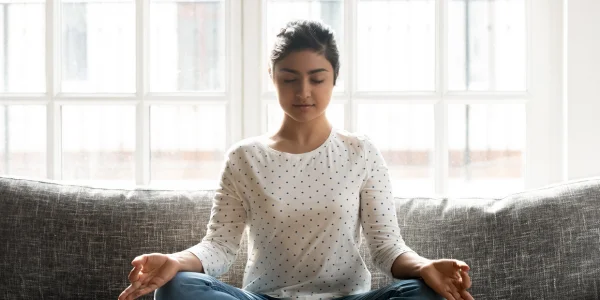

Unleashing the Magic of Kapalbhati Breathing
Kapalbhati is a breathing technique that goes beyond a simple routine — it has a real, noticeable effect on both mind and body.
What’s Kapalbhati?
Kapalbhati Pranayama, meaning “skull shining breath,” is a forceful-exhale breathing technique: quick, forceful exhales followed by passive inhales. It doesn’t just fill your lungs; it clears the respiratory system and sharpens mental focus.
Why Bother with Kapalbhati?
| Benefits |
|---|
| Improved lung capacity |
| Sharper focus and concentration |
| A cleared, refreshed respiratory system |
| Higher energy levels |
| A calmer, less stressed mind |
Its value is in the simplicity — a few minutes of practice affects both mental clarity and physical energy. For related techniques, see our articles on anulom-vilom and bhramari.
Rock Your Kapalbhati Practice
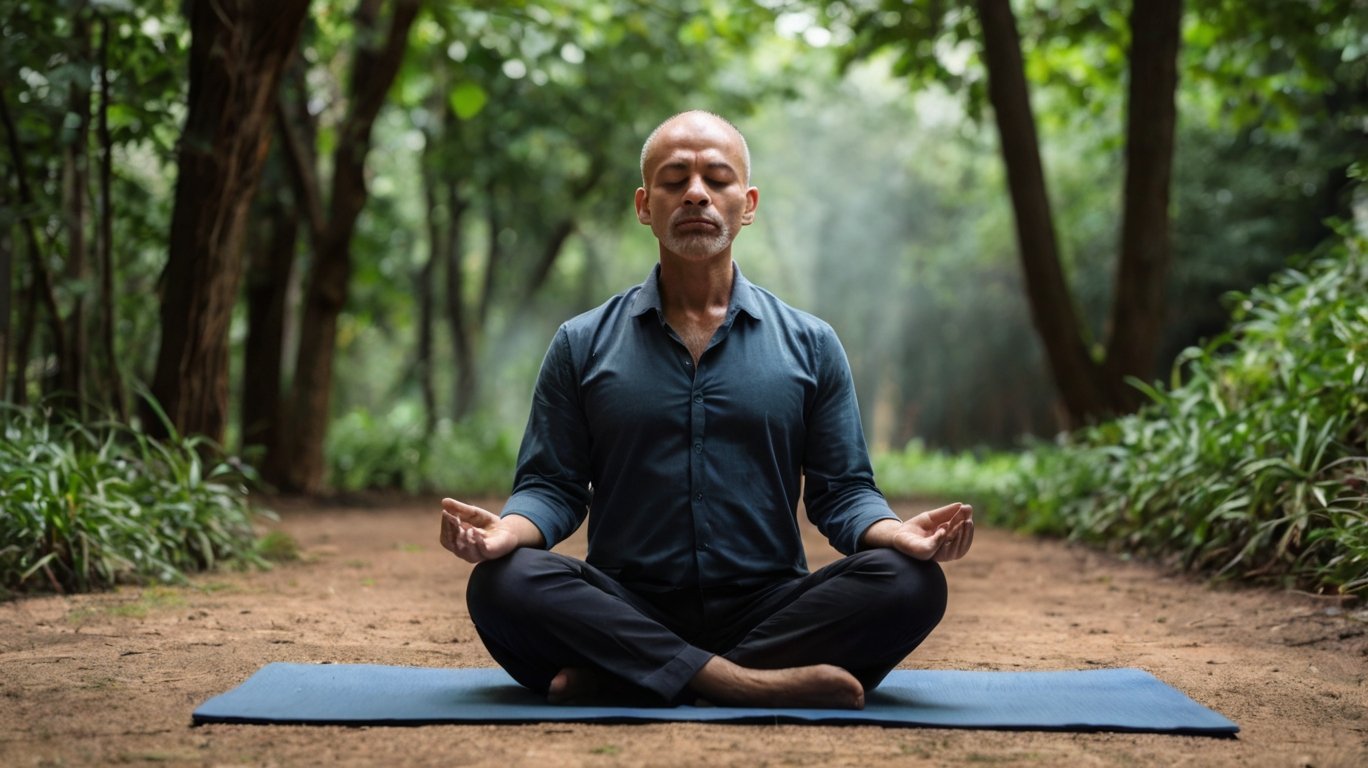
Easy Guide
Here’s how to practice it in a few simple steps:
- Get Comfortable: Sit cross-legged on the floor or on a chair, with your spine straight and shoulders relaxed.
- Start with Deep Breaths: Begin with a few deep breaths — inhale through your nose, letting your belly expand, then exhale slowly, drawing your belly back in.
- Begin Kapalbhati: Take a deep breath in, then exhale forcefully through your nose by snapping your lower belly inward. Repeat briskly, like a series of small abdominal contractions.
- Focus on the Exhale: The emphasis is on the forceful exhale — let the inhale happen passively on its own.
- Repeat: Continue with forceful exhales and passive inhales, starting slow and building speed as you get comfortable with the rhythm.
- Finish Up: After your session, sit quietly for a moment and notice how refreshed you feel.
Tips
- Ease In: If you’re new to it, start slow and gentle, picking up speed as you get comfortable.
- Listen to Your Body: If you feel any strain or discomfort, ease off — don’t push past what feels comfortable.
- Stay Consistent: Regular practice is what makes the benefits stick.
- Combine Techniques: (leave as-is — already fine)
- Ask for Guidance: If you’re unsure whether you’re doing it correctly, a yoga teacher or experienced practitioner can help.
FAQ
What are the benefits of Kapalbhati breathing?
It enhances lung function, improves concentration, detoxifies the respiratory system, and helps manage stress and anxiety.
How long should I practice daily?
Beginners can start with 1-2 minutes and gradually increase to 5-10 minutes per session for optimal benefits.
Can Kapalbhati help with weight loss?
Yes, regular practice stimulates metabolism and improves digestion, which can aid in weight management.
Is Kapalbhati safe for everyone?
While generally safe, people with high blood pressure, heart conditions, or respiratory issues should consult a healthcare professional before practicing.
When is the best time to practice Kapalbhati?
Early morning on an empty stomach is ideal, as it maximizes oxygen intake and energizes the body for the day ahead.
For more on how pranayama fits into a broader practice, see our article on the role of yoga in enhancing prana.