
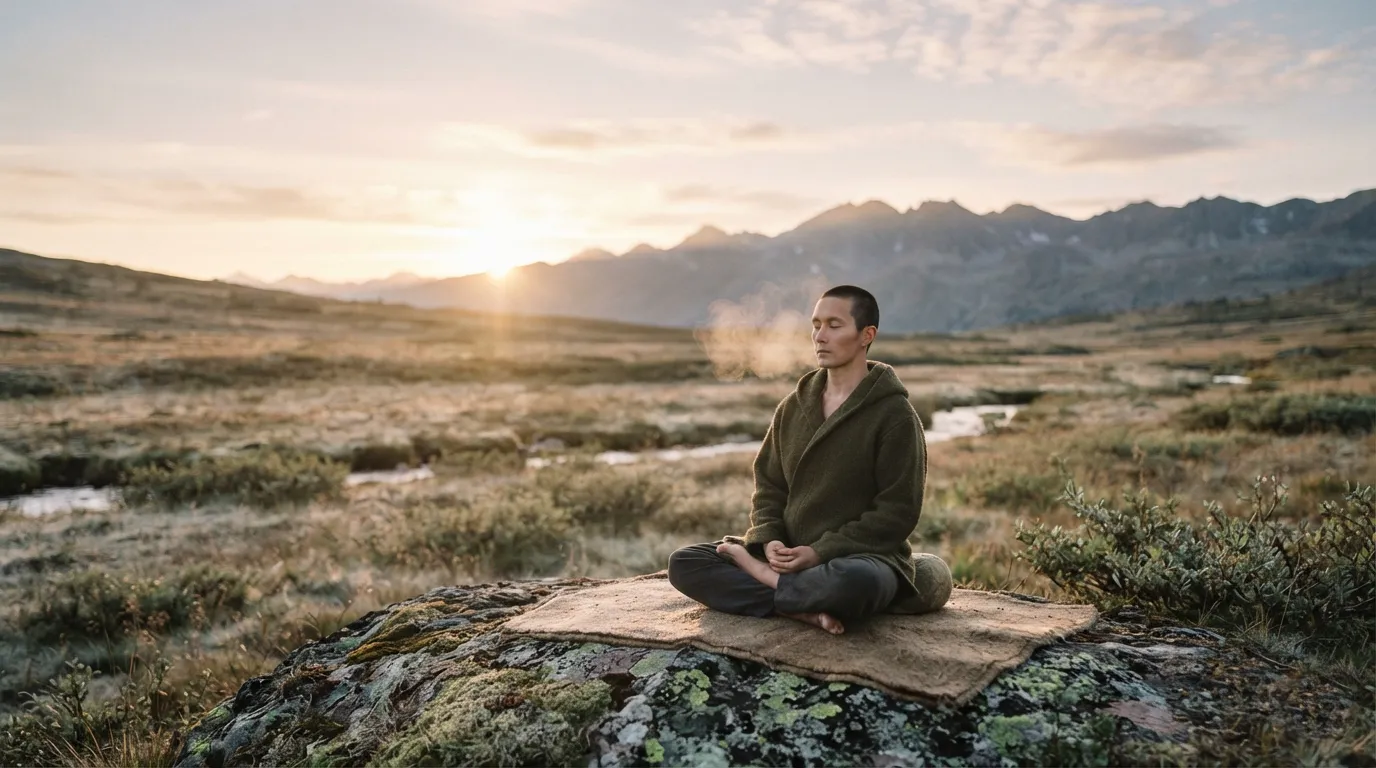

Most meditation instruction focuses on the mind — thoughts, attention, awareness — without much on meditation and prana together. Yogic tradition adds another layer: prana, the energy that breath is thought to move through the body, and how working with it can deepen a meditation practice beyond just sitting quietly.
Meditation and prana: why breath is central to both
Breath is the one part of this that’s not abstract — you can feel it, control it, and measure its effect on your heart rate in real time. That’s part of why pranayama (breath control) sits at the center of most meditation traditions that reference prana: it’s the concrete handle on something otherwise hard to point to.
Breathing techniques to try
| Technique | How it works |
|---|---|
| Alternate nostril breathing | Switching breath between nostrils to balance focus |
| Skull-shining breath (Kapalabhati) | Sharp exhales for an energy boost |
| Ocean breath (Ujjayi) | Slightly constricted throat breathing, used to hold focus during longer sits |
Visualization as a focusing tool
Picturing energy moving through the body — up the spine, through specific centers, out through the breath — gives a wandering mind something concrete to hold onto. It doesn’t require believing in the underlying framework literally; treat it as a focusing device, the same way counting breaths works for people who prefer a numerical anchor.
Putting it together
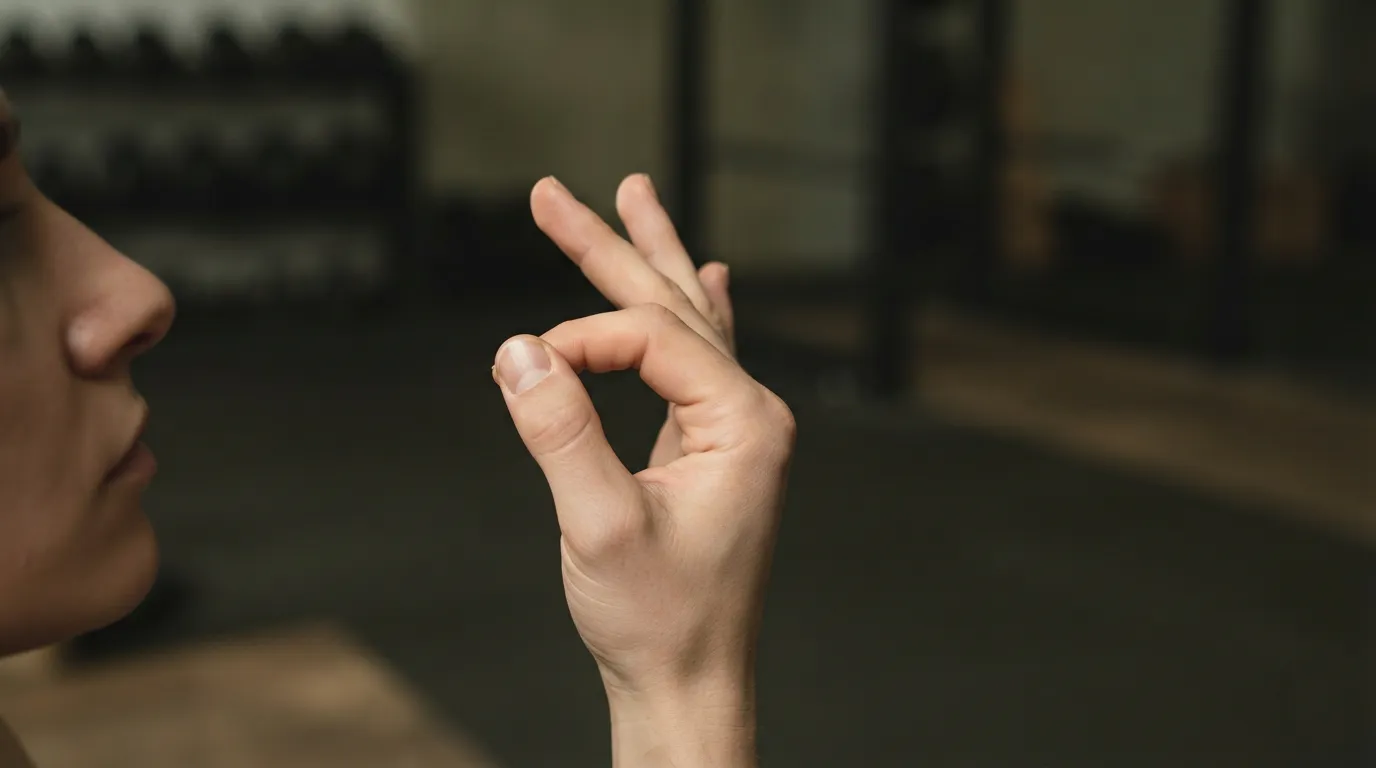
A simple combination: a few minutes of alternate nostril breathing to settle in, then a seated meditation using breath as the anchor, occasionally checking in on how your body feels. That’s a full practice — no extra equipment, no advanced technique required to start.
Worth a look too: our articles on Transcendental Meditation and Zen meditation.
FAQ
Why is breath considered central to prana-focused meditation?
Breath is the one concrete, controllable part of the practice — you can feel it, control it, and measure its effect on heart rate in real time, unlike prana itself.
What is Ujjayi (ocean breath)?
A breathing technique using a slightly constricted throat, commonly used to help hold focus during longer meditation sessions.
Do I need to believe in the concept of prana for visualization techniques to help?
No — visualization can be treated purely as a focusing device, the same way counting breaths works for people who prefer a numerical anchor.