

Understanding Hatha Yoga
Origins and Philosophy of Hatha Yoga
Hatha Yoga is an ancient practice from India, aiming to balance both body and mind. The name “Hatha” comes from two Sanskrit words: “Ha” (sun) and “Tha” (moon), symbolizing the union of opposites. Think of it as merging strength with flexibility, or syncing mind and body into one harmonious flow.
Hatha Yoga started as a way to prepare for deeper meditation. Getting your body fit and robust makes it easier to sit for long periods, the ultimate goal being inner peace and universal awareness through breath and movement. It’s a bit like tuning a musical instrument before you play a beautiful symphony.
Core Principles and Practices of Hatha Yoga
Hatha Yoga sticks to a few main ideas to guide you to a healthier, more balanced life. Here’s what you’ll be doing:
Postures (Asanas): These are physical poses that stretch and strengthen your body. It’s like giving your muscles and joints a daily tune-up. Stick with it, and you’ll move with grace and ease.
Breath Control (Pranayama): Here, breath is king. You learn techniques to boost your energy and calm your mind. Techniques like Ujjayi (“Victorious Breath”), Nadi Shodhana (“Alternate Nostril Breathing”), and Kapalabhati (“Skull Shining Breath”) are part of the mix.
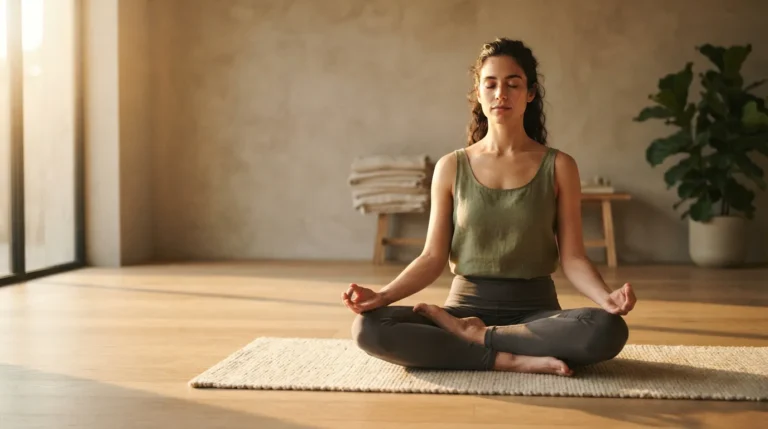
Meditation: This isn’t just sitting quietly; it’s about being fully present. Most sessions end with some form of meditation to help you tap into a deeper state of calm and awareness.
Relaxation: Every workout needs a cooldown. In Hatha Yoga, relaxation poses like Savasana (Corpse Pose) help you unwind and recharge.
Alignment: Doing the poses correctly is essential to avoid injury and make the most out of each movement.
Here’s a quick cheat sheet of some poses and what they do for you:
| Asana | Benefits |
|---|---|
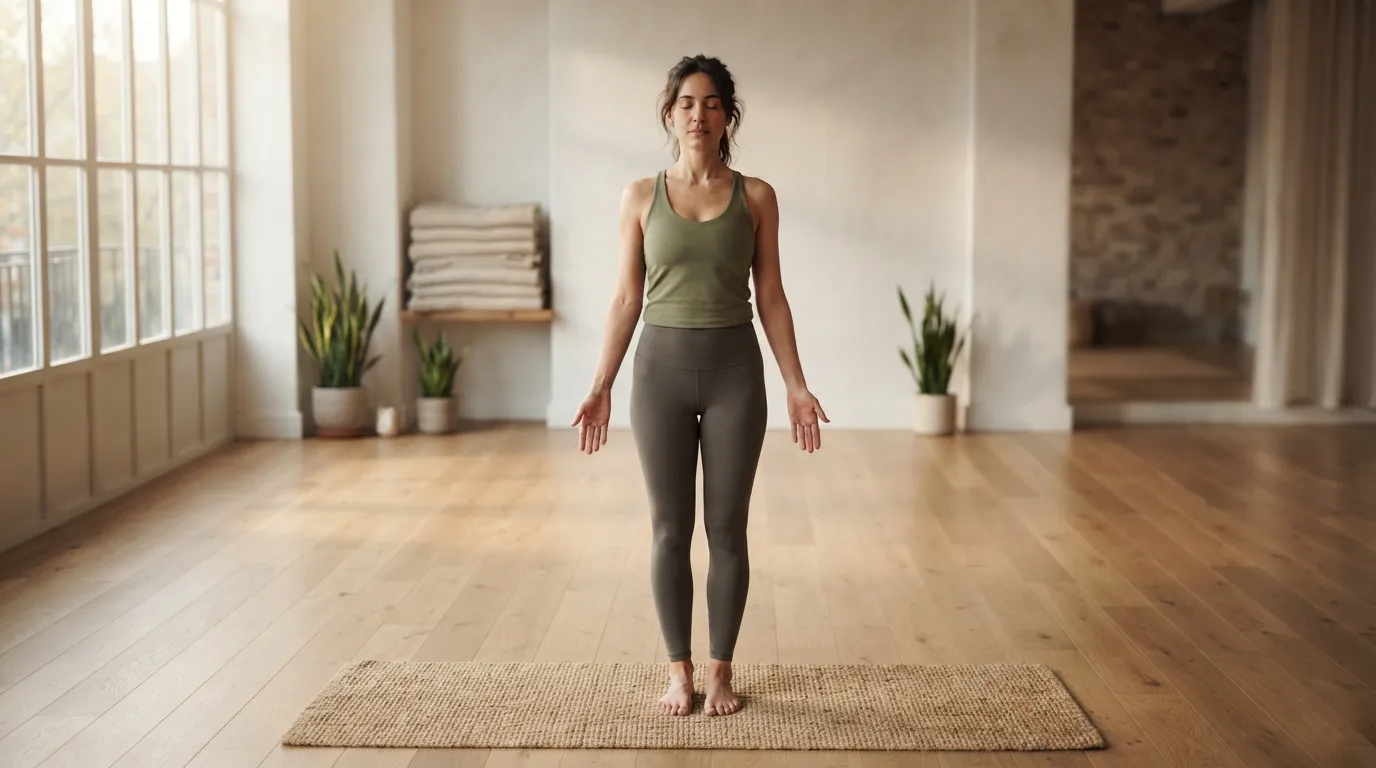
| Tadasana (Mountain Pose) | Helps you stand tall and proud |
| Adho Mukha Svanasana (Downward Dog) | Strengthens the whole body and calms the mind |
| Trikonasana (Triangle Pose) | Improves your flexibility and sense of balance |
| Bhujangasana (Cobra) | Opens up your chest and strengthens your spine |
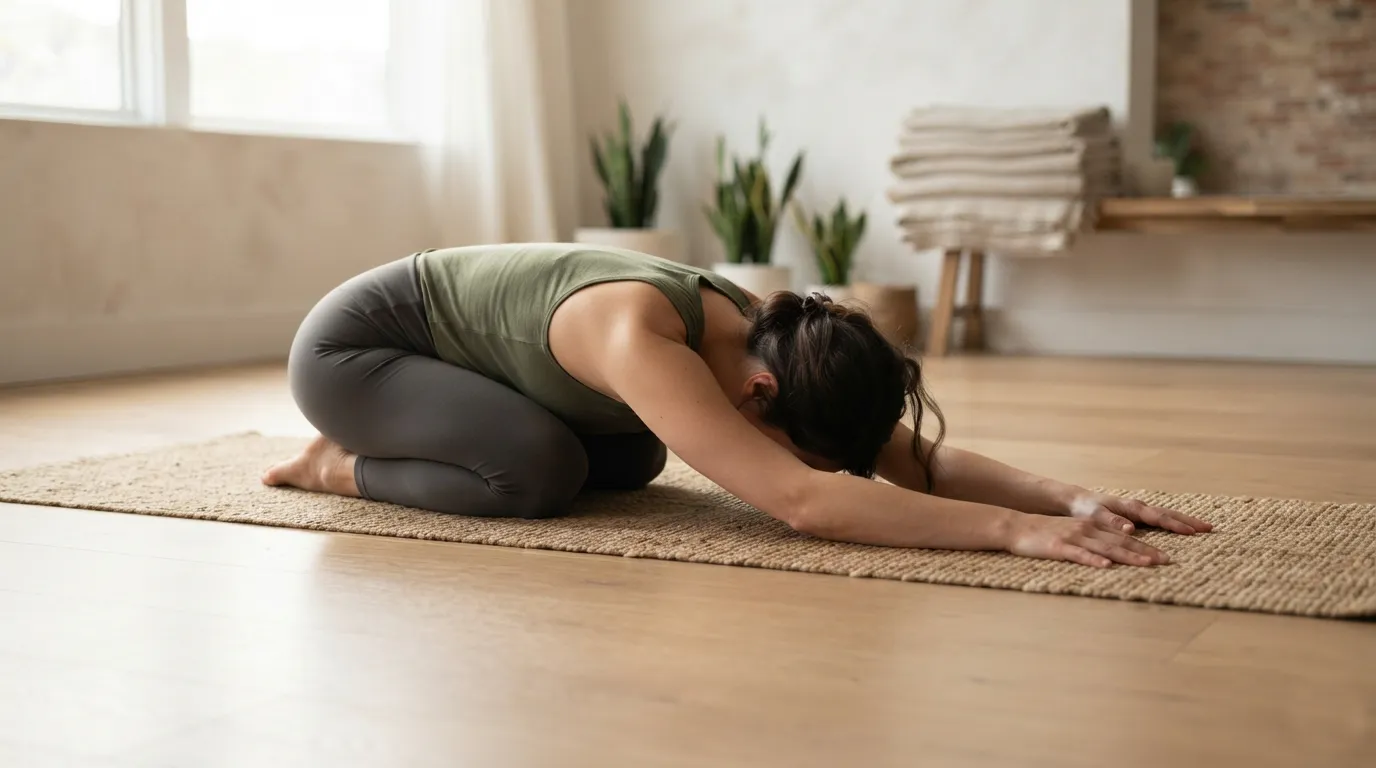
| Balasana (Child’s Pose) | Simply melts away stress |
Practicing Hatha Yoga can make you feel more alive in your body and at peace in your mind. If you’re curious about other yoga styles, give Kundalini Yoga or Ashtanga Yoga a try. Each has its unique flair and can further spice up your yoga journey.
Happy stretching!
Feel the Healing Power of Hatha Yoga
Perks for Your Mind, Body, and Soul
Jumping into Hatha Yoga can do wonders for your entire being. As you practice, you’ll start to see changes that touch every part of your life. Here are some good vibes you can enjoy:
| Benefit Category | What You Get |
|---|---|
| Mental Perks | Stress melts away, better focus, a sense of calm |
| Physical Perks | More flexibility, stronger muscles, improved posture |
| Spiritual Perks | Greater self-awareness, sense of belonging, personal growth |
Making Hatha Yoga Part of Your Life
Adding Hatha Yoga into your daily or weekly routine can seriously change things up. Here’s how you can make it happen:
Set a Time: Pick specific days and times to get your yoga on. Regular practice helps you get the most out of it.
Find Your Spot: Choose a quiet place at home where your mat can stay put without any interruptions.
Start Simple: Begin with easy poses to build up your strength and flexibility. Try common Hatha Yoga moves like downward dog, mountain pose, and child’s pose.
Breathing is Key: Add in some breathing exercises to take your practice up a notch. This can make your energy flow even better.
Join the Club: Think about joining a class, either in-person or online. It can give you that extra push and some expert tips. For a change of pace, check out Kundalini Yoga or Ashtanga Yoga.
Check In and Tweaks: After some time practicing, see how you’re feeling. Adjust your routine as needed to keep up with your changing wellness goals.
Bringing Hatha Yoga into your life opens up a world of healing and good vibes. You’ll not only feel better physically but also find a beautiful balance that touches your mind and soul.
You might also find our pieces on Kundalini yoga and Ashtanga yoga useful.
FAQ
What does “Hatha” mean?
“Hatha” combines two Sanskrit words — “Ha” (sun) and “Tha” (moon) — symbolizing the union of opposites, like balancing strength with flexibility.
What are the five main elements of Hatha Yoga practice?
Postures (asanas), breath control (pranayama), meditation, relaxation, and alignment are the core components of a typical Hatha Yoga practice.
What’s a good starting pose for Hatha Yoga beginners?
Simple poses like Downward Dog, Mountain Pose, and Child’s Pose are common starting points for building strength and flexibility gradually.