

Introduction to Vipassana Meditation
Origin and Meaning of Vipassana
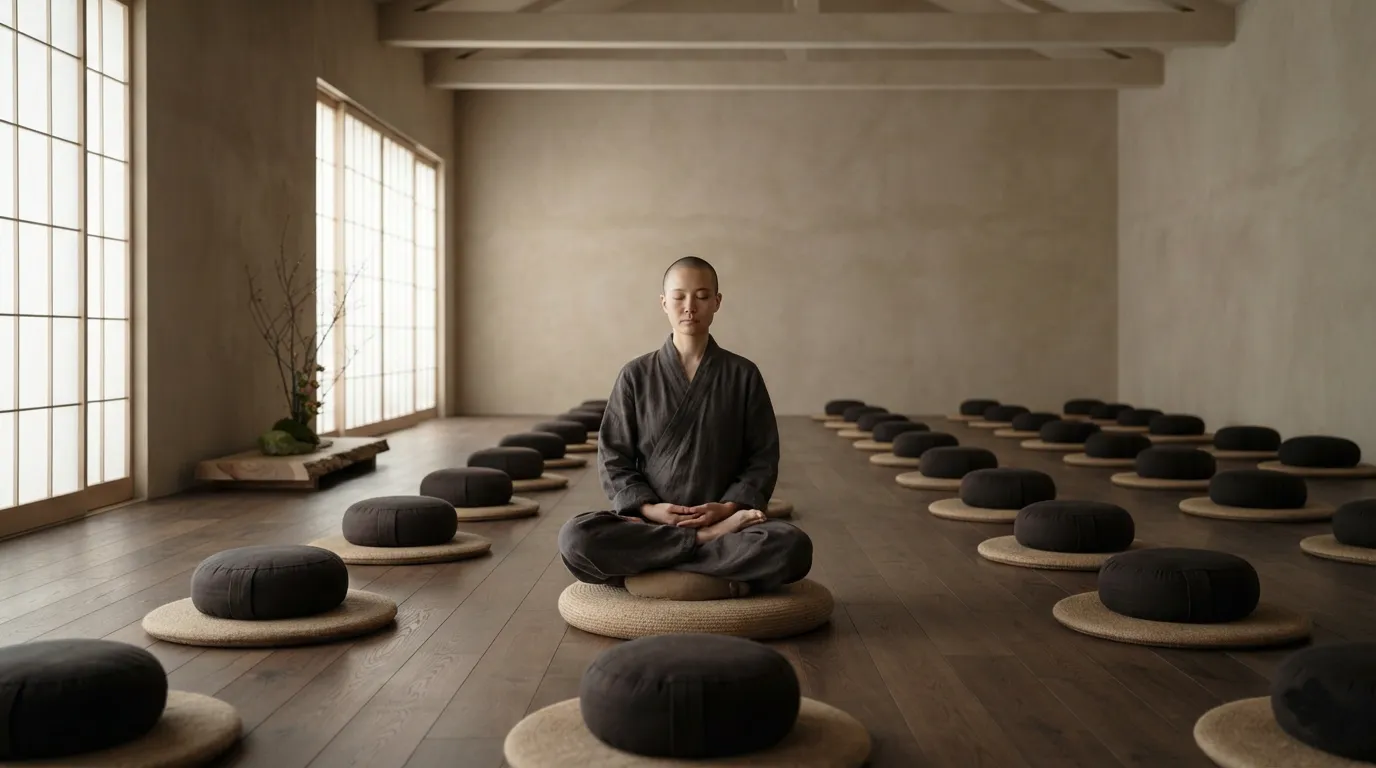
Vipassana, or “clear seeing,” comes from old Buddhist teachings, hitting the scene over 2,500 years ago. It’s a way to truly understand what’s happening inside us and around us. Rooted in Buddha’s teachings, this meditation style isn’t just about sitting still – it’s about looking directly at your own mind and body to get a better grasp of your thoughts, feelings, and physical sensations.
Core Principles of Vipassana Practice
Vipassana hinges on mindfulness and awareness. Here’s what it’s all about:
| Core Principle | Description |
|---|---|
| Mindfulness | Watching your thoughts and feelings without getting caught up in them. No judgment, just observation. |
| Impermanence | Realizing that everything, good or bad, passes. Nothing lasts forever. |
| Non-Self | Understanding there’s no fixed “you.” Who we are changes and is shaped by what we experience. |
| Equanimity | Keeping your cool, no matter what’s going on. Staying balanced and serene through life’s ups and downs. |
These principles steer us through meditation, making us more alert and aware of our inner world. Unlike other types like transcendental meditation or zen meditation, vipassana is all about digging deep into our own mental and emotional landscape. With regular practice, we can tap into the power of vipassana, seeing ourselves and our lives in a new light.
By honing our mindfulness and awareness, we start a meaningful journey of self-discovery. As we get better at this, we uncover more about our thoughts and actions, making our lives richer and more conscious. Curious about how this ties into our energy? Check out our article on meditation & prana.
The Magic of Vipassana
What’s So Great About Vipassana Meditation?
Vipassana’s got some serious perks for your mind, emotions, and even your body. With regular practice, you can see your thoughts and emotions way more clearly, which means more peace and balance in your life. Check out some of the awesome stuff you can get from sticking with Vipassana:
| What You Get | How It Helps |
|---|---|
| Self-Awareness Upgrade | You’ll notice your thoughts and feelings without getting all caught up in them. |
| Emotional Superpowers | Better handling stress and not flipping out as much. You respond calmly instead of reacting. |
| Laser-Like Focus | Your attention gets sharper, making daily tasks a breeze. |
| Heart Grows Fonder | You’ll likely find yourself being kinder to yourself and others. |
| Stress-Busting | The calming mojo of Vipassana can ease anxiety and help you relax. |
These benefits can make your life more fulfilling and help you jump into your experiences with both feet. For more on this meditation mumbo jumbo, check out meditation & prana.
How Vipassana Stands Out in the Meditation Crowd
Sure, there are heaps of meditation types out there, but Vipassana is a bit special. Let’s see how it stacks up against things like Transcendental and Zen Meditation:
| What’s the Deal | Vipassana | Transcendental Meditation | Zen Meditation |
|---|---|---|---|
| Main Focus | Mindfulness on body sensations and thoughts | Chanting a mantra to relax you | Focusing on breathing and posture |
| Ultimate Goal | Understanding the nature of reality | Finding inner peace | Satori (that big ol’ enlightenment) |
| How Long It Takes | Usually longer retreats (10 days or more) | Short, daily sessions (20 mins or so) | Duration varies, sometimes long |
| How It’s Done | Self-guided, lots of silence | Teacher-led, structured | Can be strict or go-with-the-flow |
Getting a grip on these differences makes you realize why Vipassana is unique. It dives deep into your inner world, pushing you toward enlightenment and self-discovery. If you’re curious, peek into transcendental meditation and zen meditation too.
Practicing Vipassana Meditation
Techniques and Methods in Vipassana
Vipassana meditation boils down to understanding your mind and body through direct experience. Let’s explore some key techniques:
Mindfulness of Breathing: Just breathe. Pay attention to how your breath flows in and out naturally. No need to control it—just notice it, giving you a steady point of focus.
Body Scan: Think of this as an internal tour guide. Start at your toes and move up to your head, feeling any sensations along the way—tension, comfort, itchiness, whatever. It’s about connecting with what’s happening in your body right now.
Noting: Spot what’s popping into your mind—thoughts, emotions, even those random song lyrics. Label them without judgment and let them pass. This technique helps you see your mental patterns without getting stuck.
Loving-Kindness (Metta): Spread some good vibes. Wish well-being for yourself and others, silently and sincerely. This practice can add a layer of compassion to your meditation.
| Technique | What’s Involved |
|---|---|
| Mindfulness of Breathing | Watching your natural breath flow |
| Body Scan | Noticing bodily sensations |
| Noting | Observing and labeling thoughts and emotions |
| Loving-Kindness | Silently sending good wishes to all |
Bringing Vipassana into Everyday Life
Making Vipassana part of your daily groove can skyrocket your mindfulness. Here’s how:
Daily Practice: Start small—even five minutes. Gradually make it longer when you feel ready. Consistency matters more than duration at first.
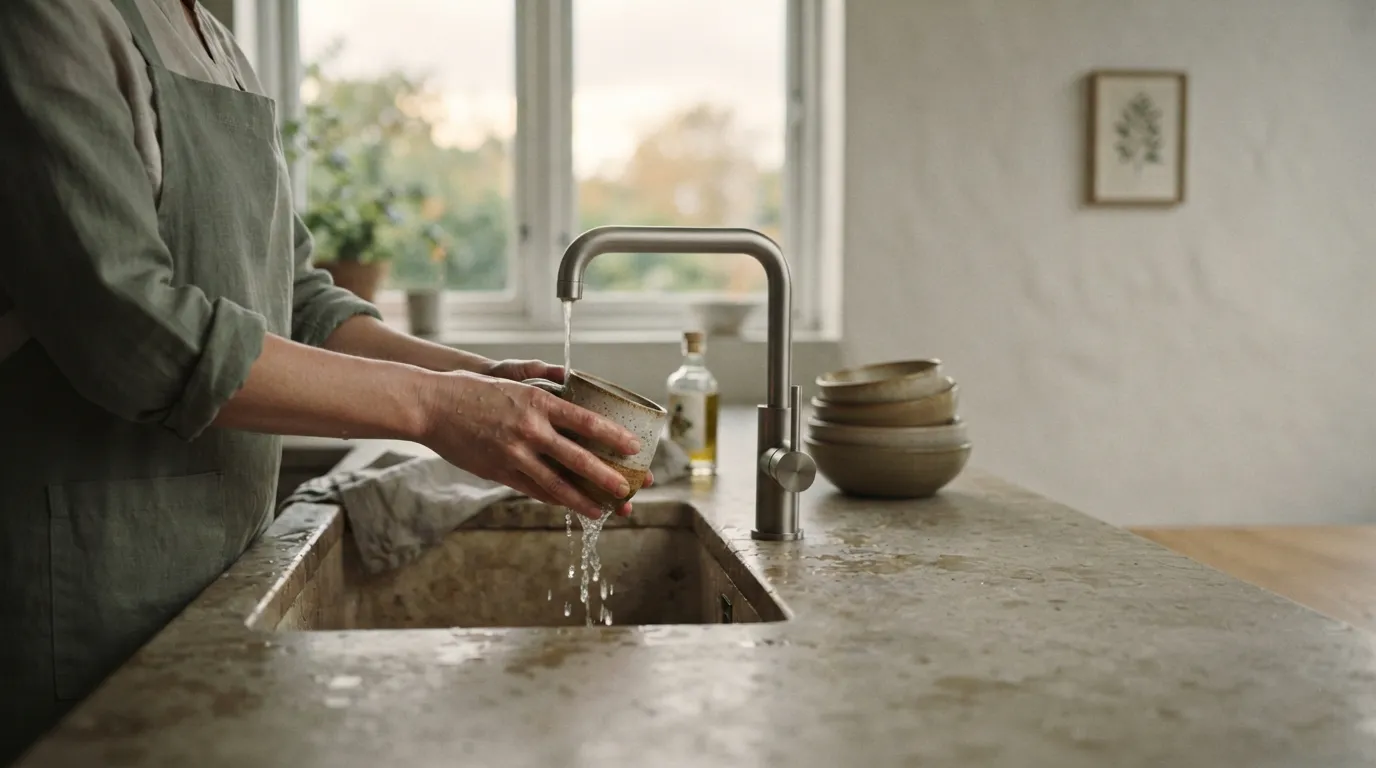
Mindful Moments: Pause and check in with yourself. During meals, walks, even while washing dishes, focus on your senses and stay present.
Reflection: Think over your day at bedtime. Write down a few thoughts, insights, or feelings. This helps you stay on track and deepen your understanding.
Community Engagement: Join a meditation group or attend workshops. Sharing experiences can make your practice richer and offer support when you need it.
| Integration Method | What to Do |
|---|---|
| Daily Practice | Dedicate a bit of time each day |
| Mindful Moments | Be present during everyday activities |
| Reflection | Write down your thoughts at day’s end |
| Community Engagement | Connect with like-minded folks |
By using these techniques and keeping Vipassana in your routine, you’ll find a deeper connection with both your practice and yourself. For more related reads, check out our articles on meditation & prana, transcendental meditation, and zen meditation.
Related reading: our articles on Transcendental Meditation and Zen meditation.
FAQ
What does “Vipassana” mean?
It translates roughly to “clear seeing,” and comes from Buddhist teachings dating back over 2,500 years, focused on directly observing your own mind and body.
How does Vipassana differ from Transcendental Meditation?
Vipassana is self-guided and focuses on mindfulness of body sensations and thoughts over longer retreats, while Transcendental Meditation is teacher-led and uses a mantra in shorter daily sessions.
What is the “body scan” technique in Vipassana?
It involves moving attention slowly from the toes to the head, noticing physical sensations like tension or comfort without trying to change them.